Water and architecture: understand a spa through its spaces
Light, materials and circulation reveal more about a visit than one decorative detail.
Find scale in the photographs
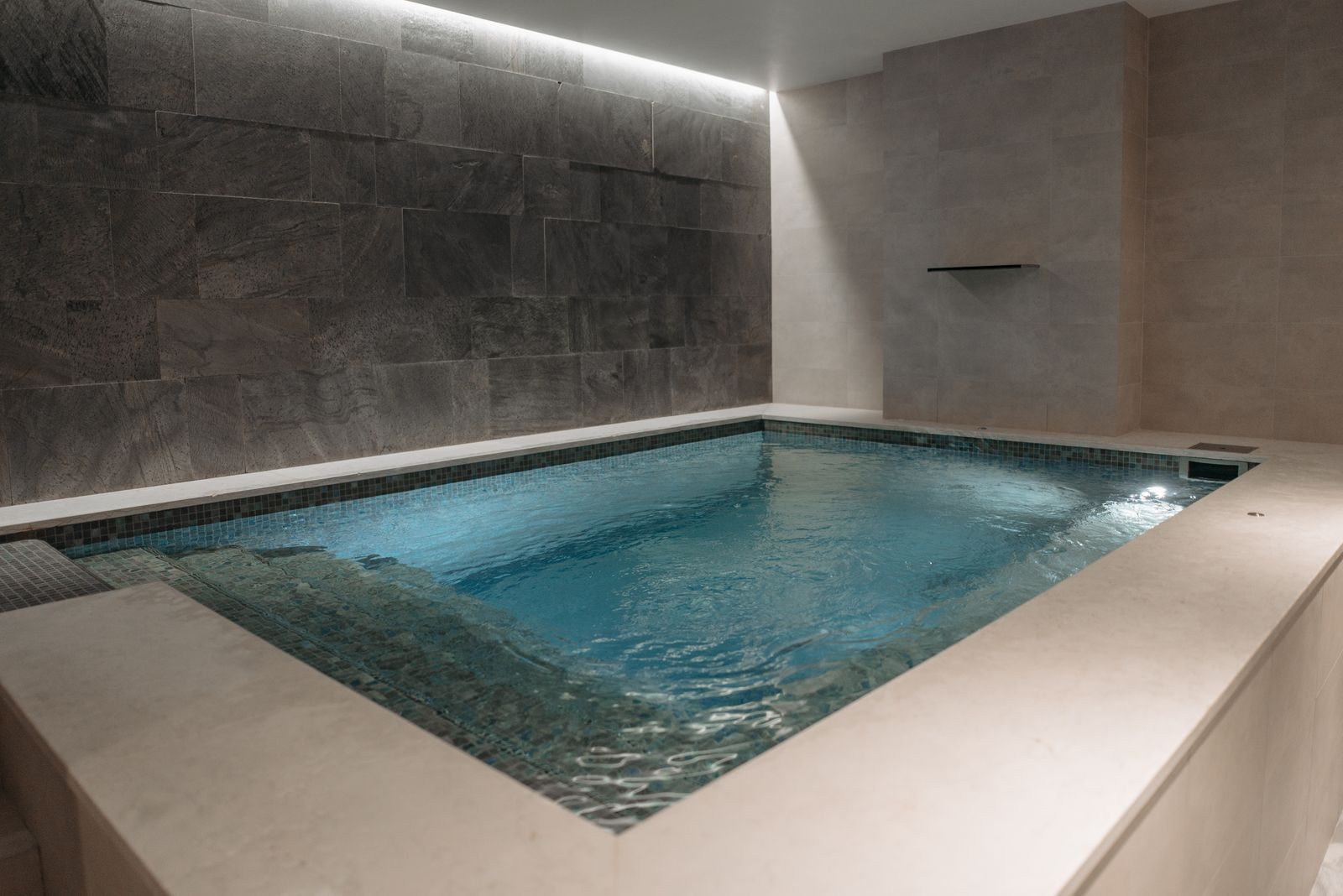
Close-ups of water and stone can make dimensions and relationships between rooms difficult to understand. Look for at least one wide view showing entrances, seating, windows and the space available for circulation. Compare different perspectives so you do not imagine a large room where there is simply a well-photographed corner. If a plan is published, use it to connect the images. Architectural expertise is unnecessary: ask where you will change, where you will walk and where you will spend a break once out of the water, rather than judging isolated decorative details alone.
Notice light and sound in person
A glazed wall can open up the view, but comfort also depends on orientation, reflections and opportunities for shelter. A high room may look impressive and sound different from a smaller enclosed space. Avoid treating materials and forms as guarantees of silence; observe how the room functions during your visit. When choosing a seat, consider doors, circulation routes and nearby activities. If one area does not suit you, try moving before judging the entire property. Sometimes a slightly different position substantially changes the balance between the view, available light and the movement of people around you.
Read circulation as part of the experience
An understandable arrangement should help you find your way without constantly requesting assistance, although individual needs and familiarity affect that impression. Notice whether routes make sense to you and whether signs answer practical questions. Request precise information about accessibility and technical characteristics rather than inferring them from an elegant appearance. Photograph a detail only where permitted and without including other guests. You can also note afterwards what worked: light for reading, proximity between areas and well-positioned seats. Those observations can guide your next choice more effectively than selecting a fashionable decorative style without considering how you will use it.
Use wide photographs and maps to understand how you will use the spaces as well as how they look.