Indoor or outdoor pool: choose the setting that suits you
The view matters, alongside light, sound, circulation routes and places to rest.
Start with your own habits
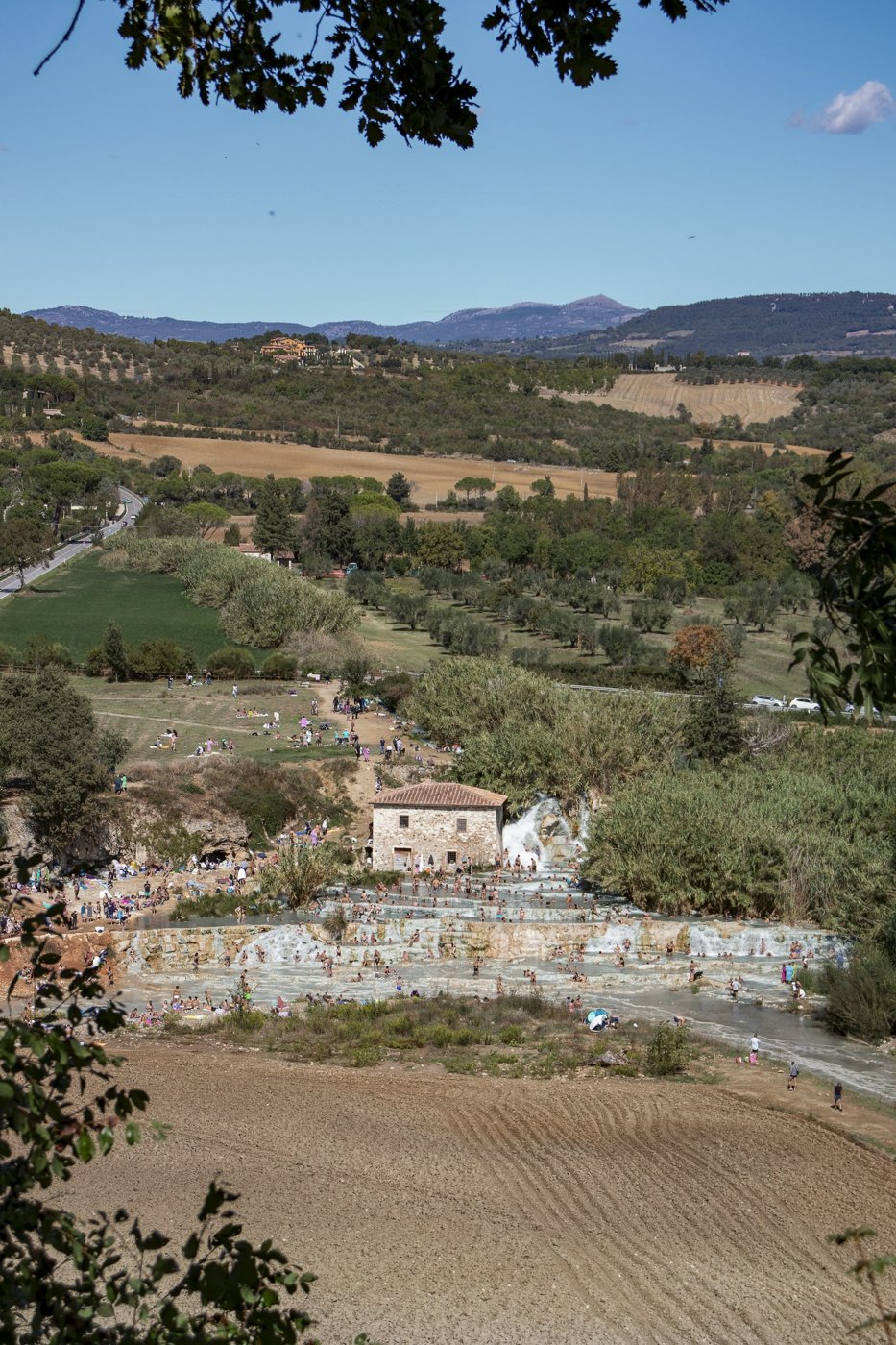
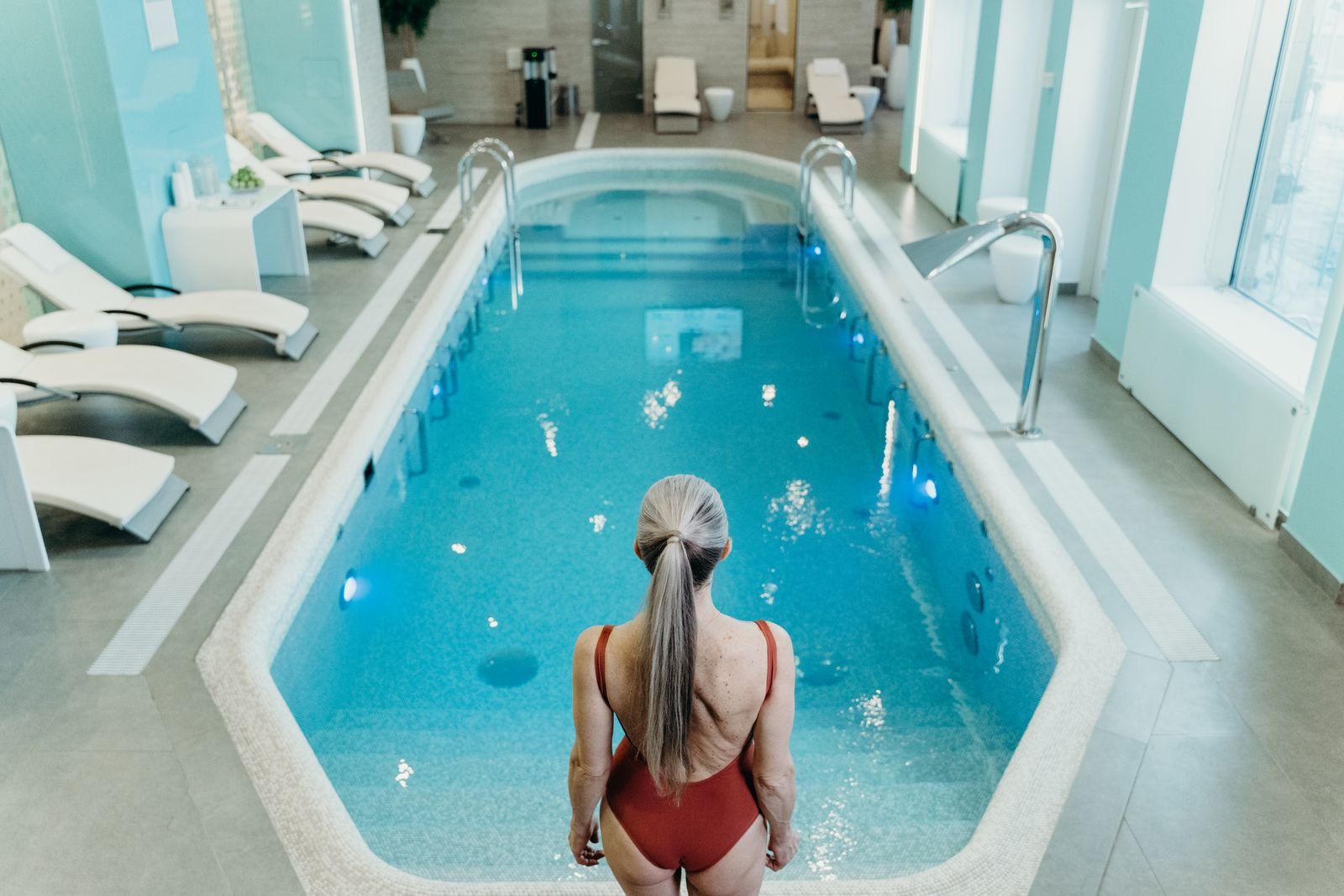
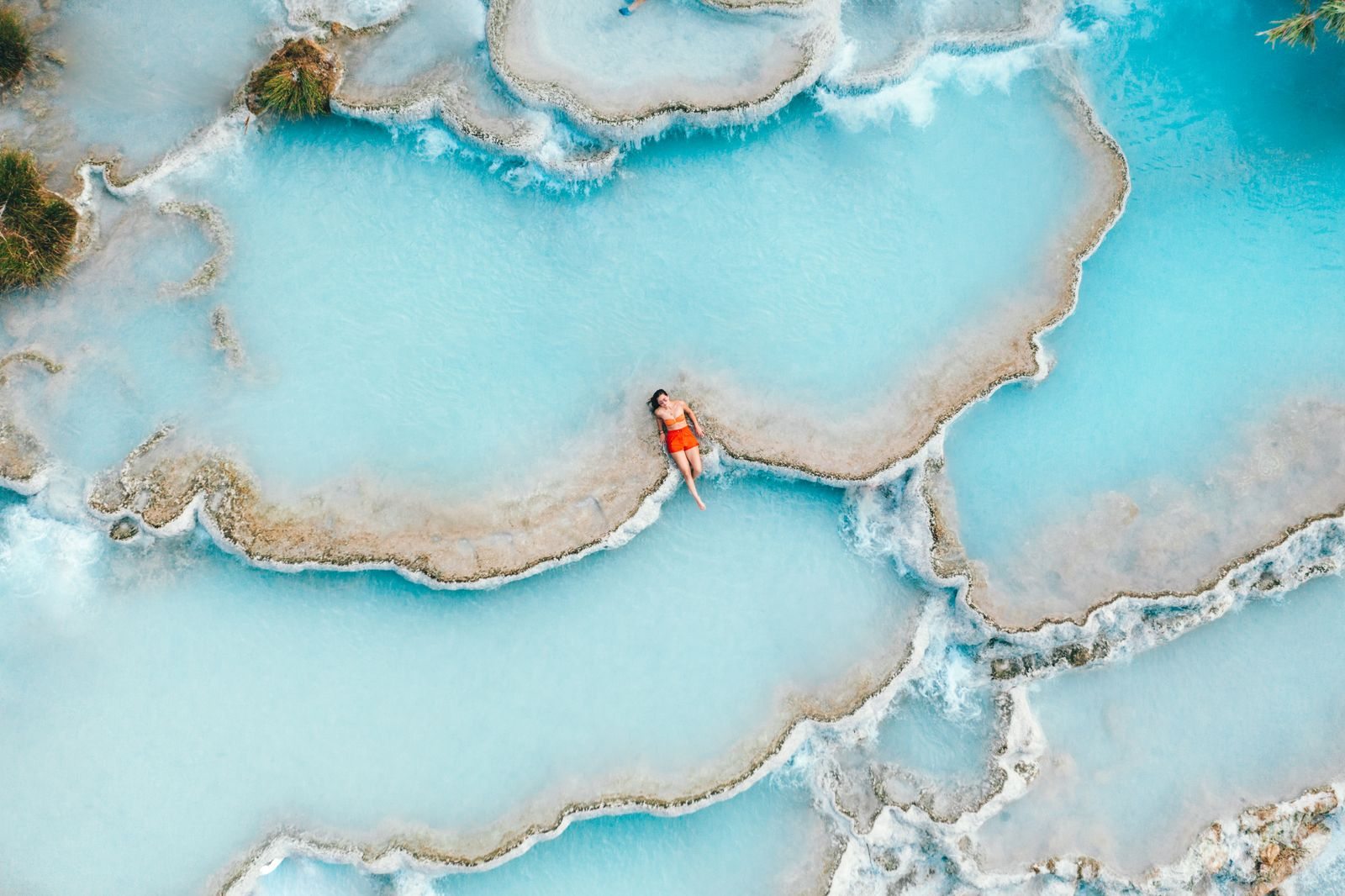
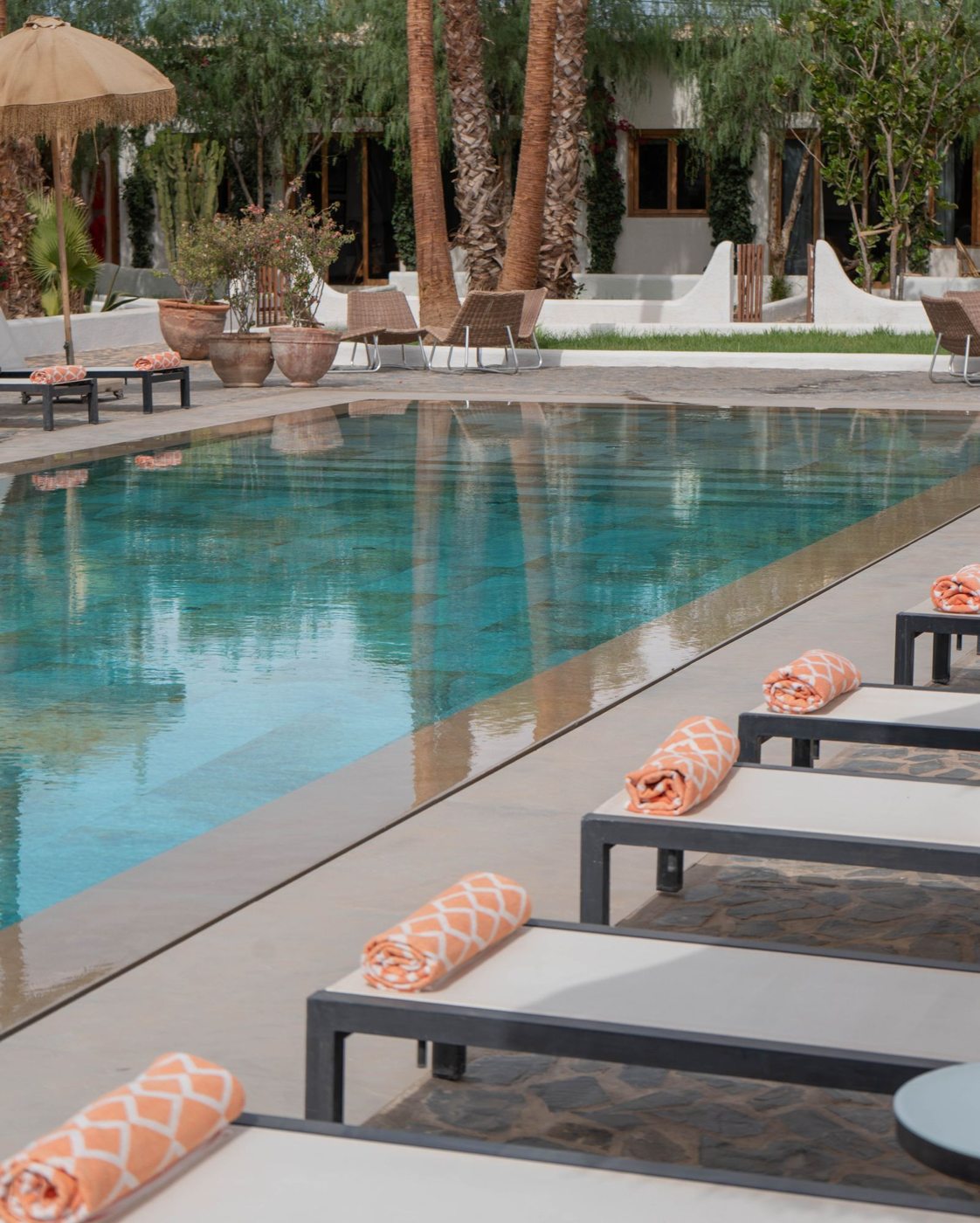
Someone who enjoys looking at a landscape may prefer an outdoor pool; someone who values predictable surroundings may appreciate an enclosed space. Neither option guarantees quiet on its own. An indoor pool can echo and attract constant movement, while an outdoor pool may sit beside a road or a lively area. Look at wide photographs rather than water close-ups alone, and establish what surrounds the pool. Consider seating, shade, shelter and circulation routes. The most suitable setting is one where you can imagine feeling comfortable even when you are out of the water.
Study the route between spaces
A complex with indoor and outdoor pools offers appealing choices, but its map reveals how easily you can move around. Find the changing-room entrance, showers and any covered connections. If you have mobility requirements, request specific details about steps, surfaces and pool entry instead of relying on the word accessible. In cooler months, think about the route you will take while wet and where your towel will be. In warm weather, consider where you can rest out of direct sunlight. These practical details rarely appear in a scenic promotional photograph.
Read the offer for your season
Not every area pictured online will necessarily operate on your visiting date. Check the facilities included during your chosen period and the circumstances in which areas may close. If you are booking mainly for one particular pool, ask how temporary unavailability is communicated. A property with appealing alternatives reduces reliance on a single feature. Do not assume a closure automatically creates a right to reimbursement, however; read the applicable conditions. Assess the price against what you can actually use rather than the total number of pools appearing across the website’s images.
Keep a choice for the day itself
Where your admission permits, begin by looking around and decide afterwards where to settle. You do not need to divide time equally between indoor and outdoor areas. Finding a pleasant corner and staying there is a complete choice, not a wasted opportunity. Groups can agree on a shared break so individuals can explore their preferred areas without pulling everyone else along. Before leaving, check each area’s closing time: the final opportunity to remain in the water may be earlier than the time at which the whole facility closes its doors.
Compare the spaces beyond the water and confirm which areas will be available.