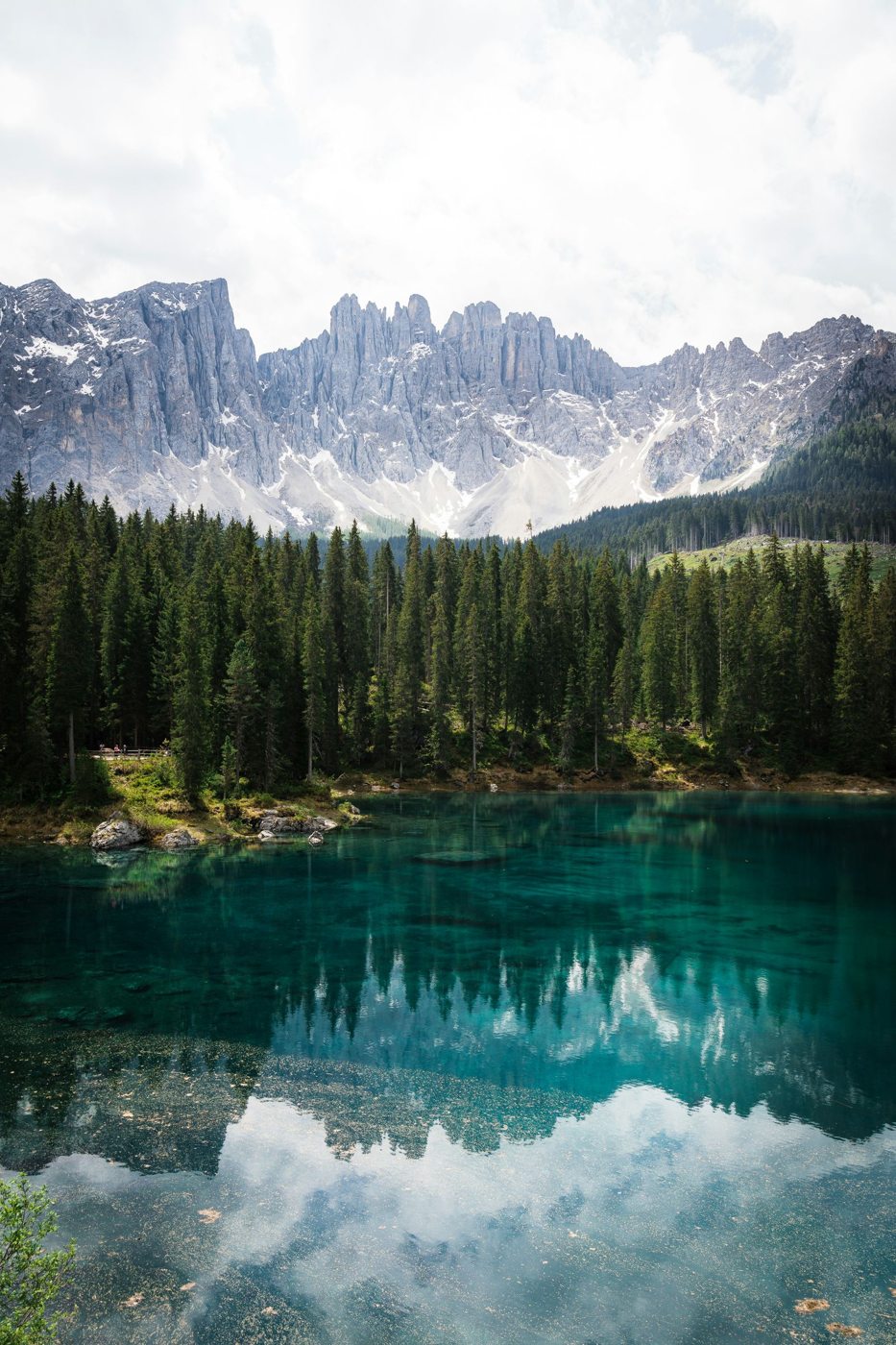
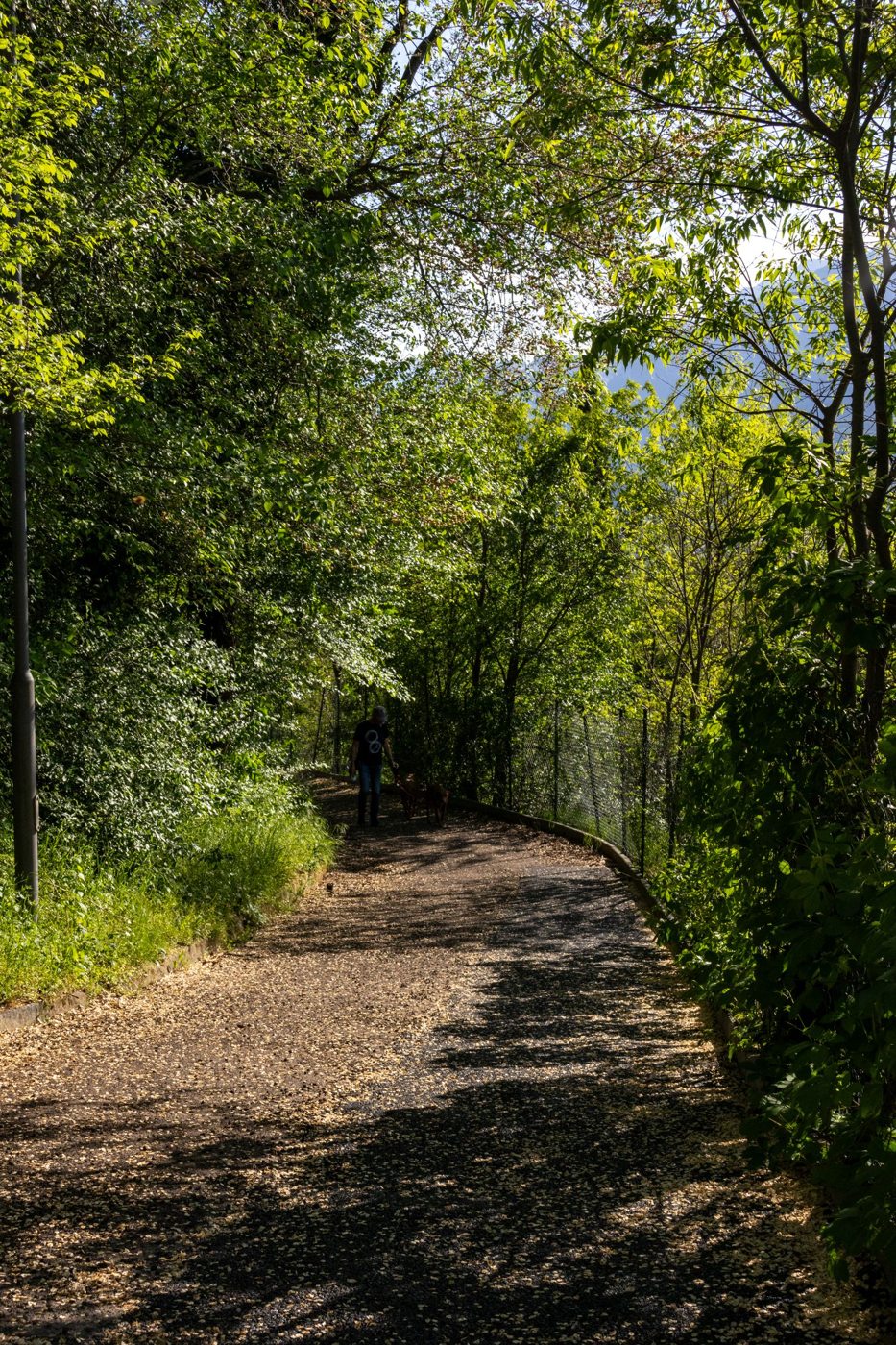
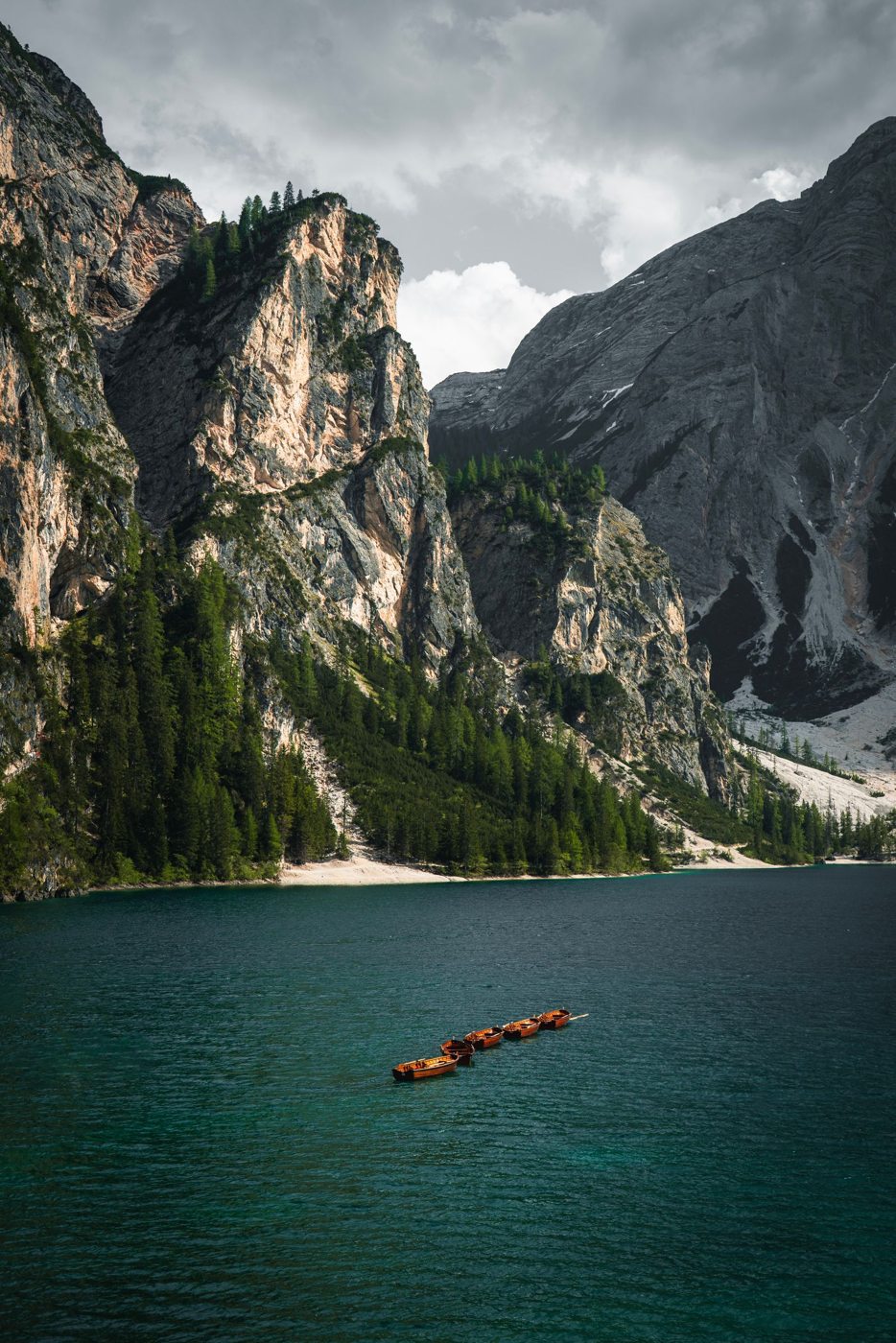
At the lake’s edge: observe reeds from the path
Between land and water, small-scale scenery can deserve as much attention as the open view.
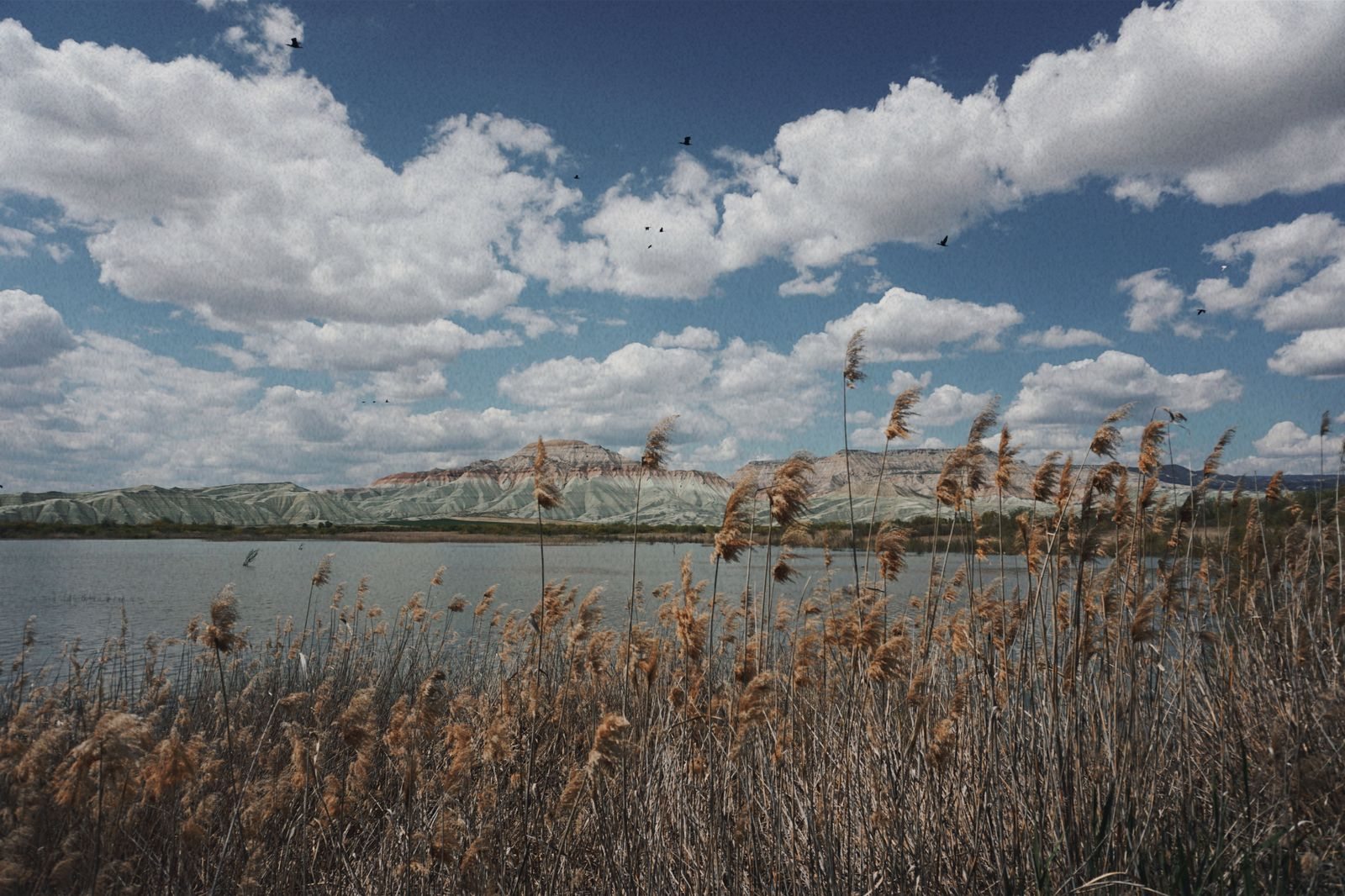
Do not jump straight to the panorama
At a lake, attention often moves immediately to the opposite shore. Before looking for the broadest view, notice the nearby edge: stems, patches of water, shadows and small movements. Choose a publicly accessible stretch and remain where stopping is permitted. A visible shoreline is not necessarily accessible. Barriers, vegetation and signs may mark areas that should remain undisturbed. A position farther back can offer interesting observation without entering the plants or approaching the water more closely than necessary, and without assuming that every attractive patch of bank forms part of the public route.
Notice the relationship between still and moving
Stems can create vertical lines while water and light change around them. Watch one small section for a moment, then widen your attention. If you see or hear animals, keep your distance and your voice low without trying to draw them into view. Avoid calls or food intended to produce a photograph. Use local interpretation panels or specific sources to identify species and understand behaviour instead of guessing from a first encounter. You can describe what you saw in straightforward language while openly leaving uncertain details unidentified rather than supplying an impressive but unreliable name.
Make the pause part of the walk
A vegetated edge can provide a short interval within a walk rather than a destination in itself. Check the return route and avoid following an informal passage simply because it stays beside the water. Make room when other visitors arrive, moving to another permitted stopping place if necessary. Take all belongings away and leave stems where they grow. Finally, look towards the distant shore again: the wider landscape now has a richer foreground, built from details observed without altering them. That can give character to even a very simple outing without adding distance or a more complicated itinerary.
Stay on the route and observe the lake’s edge without entering the vegetation.