Looking at the Dolomites: profiles, shadows and distances
Mountain scenery can reward attention without organising the day around reaching a summit.
Find a comfortable position
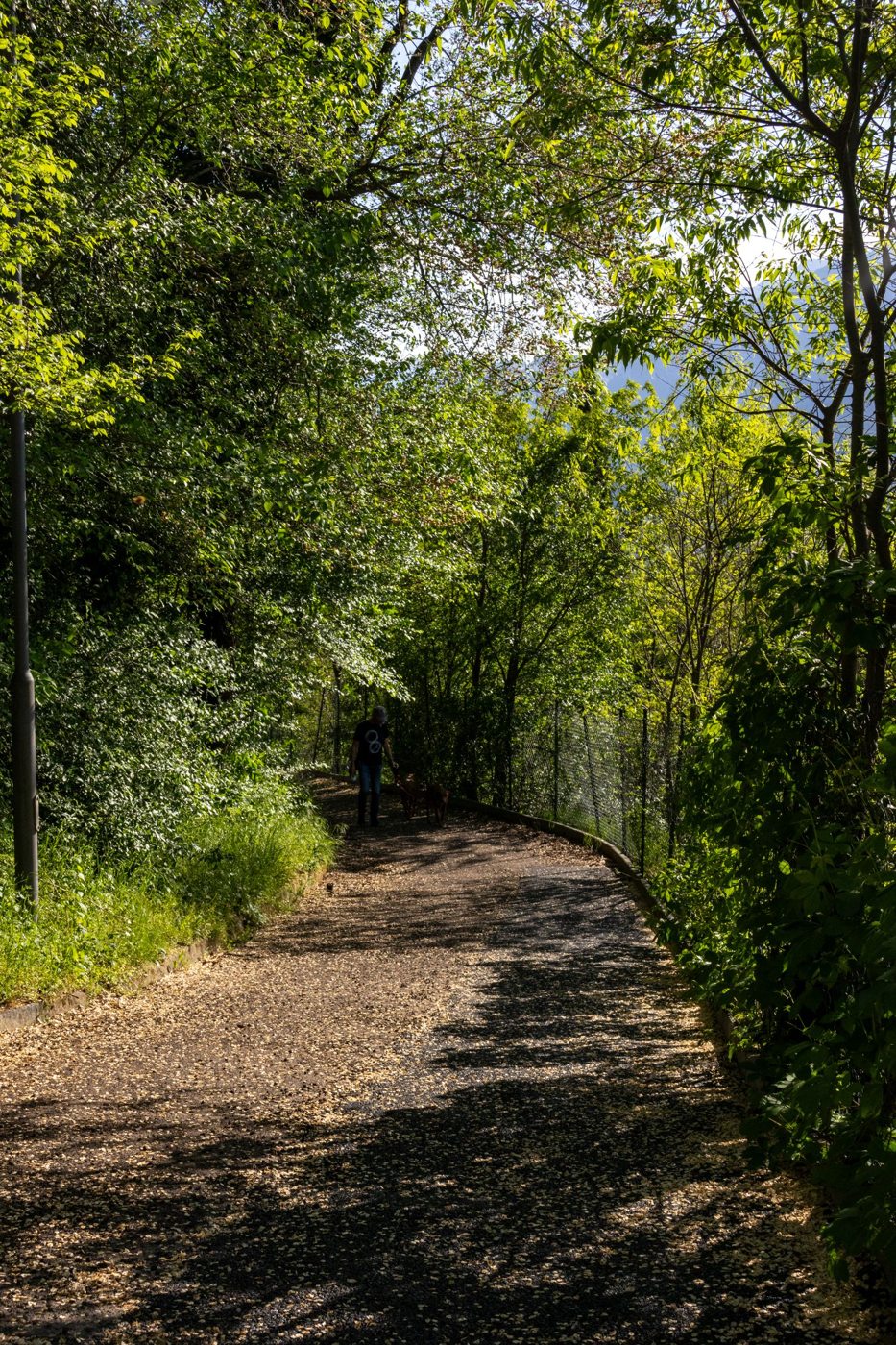
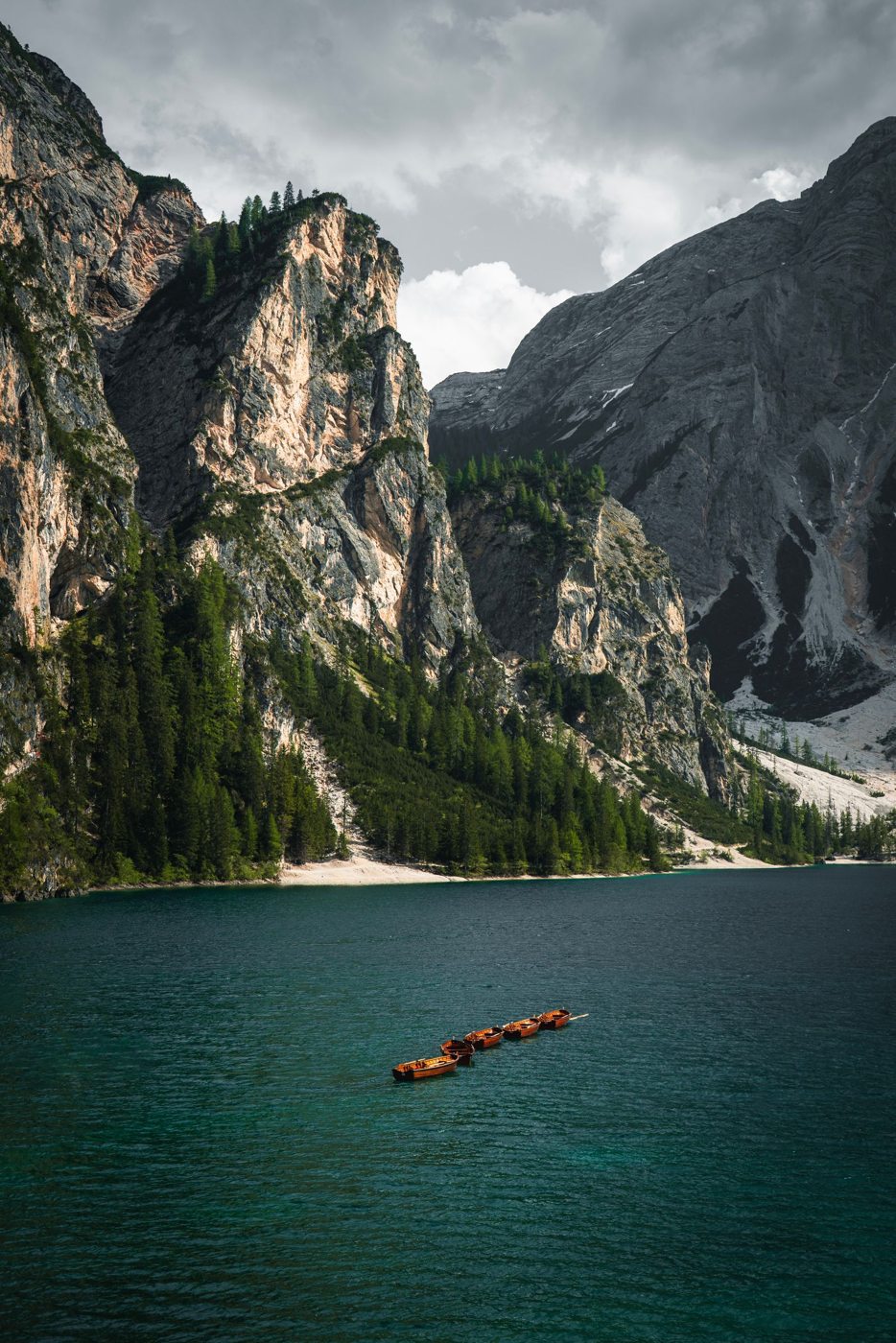
Choose a viewpoint reached by a checked route suitable for the day’s conditions. It can be close to your accommodation; there is no need to seek the highest available elevation. Consider where you can pause without obstructing paths or access points and how you will return. A bench or authorised scenic stretch may provide enough time to look carefully. If the view is obscured, avoid continually pursuing another valley in the expectation of guaranteed visibility. You can focus on nearby details instead and leave the wider panorama for a different set of conditions later.
Separate the landscape’s lines
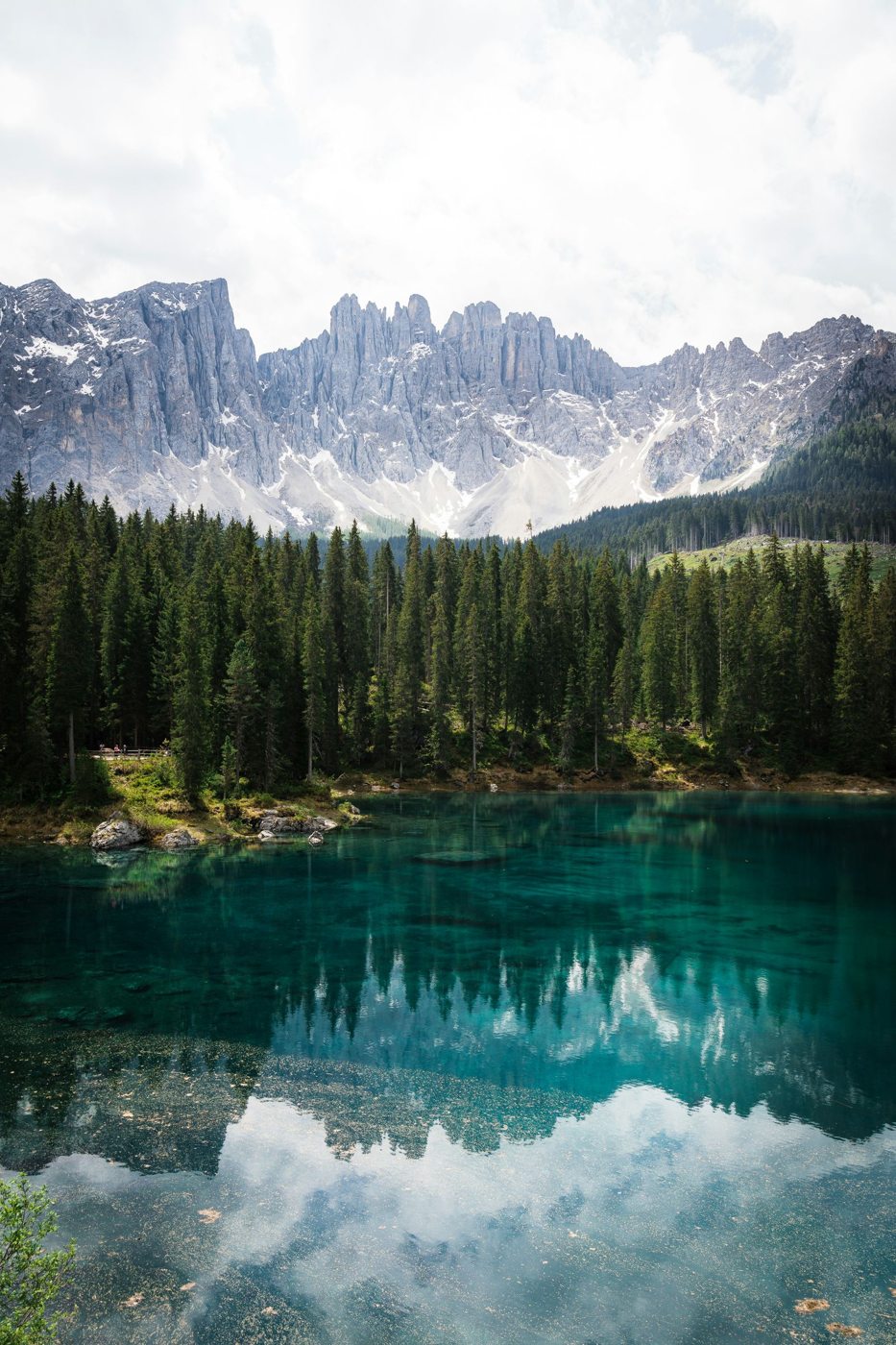
Follow the skyline, then look for darker lines within the rock faces. Notice how one mountain partly conceals another and how contrast changes with distance. You do not need to recognise every summit: an official local map can help when you want a name, but shapes remain interesting without identifying them all. Avoid turning visual impressions into improvised geological explanations. Describing a face as pale, vertical or jagged is observation; explaining how it formed requires a reliable, specific source. Keeping that distinction makes your notes both more honest and more useful when you return to them afterwards.
Return to the same view
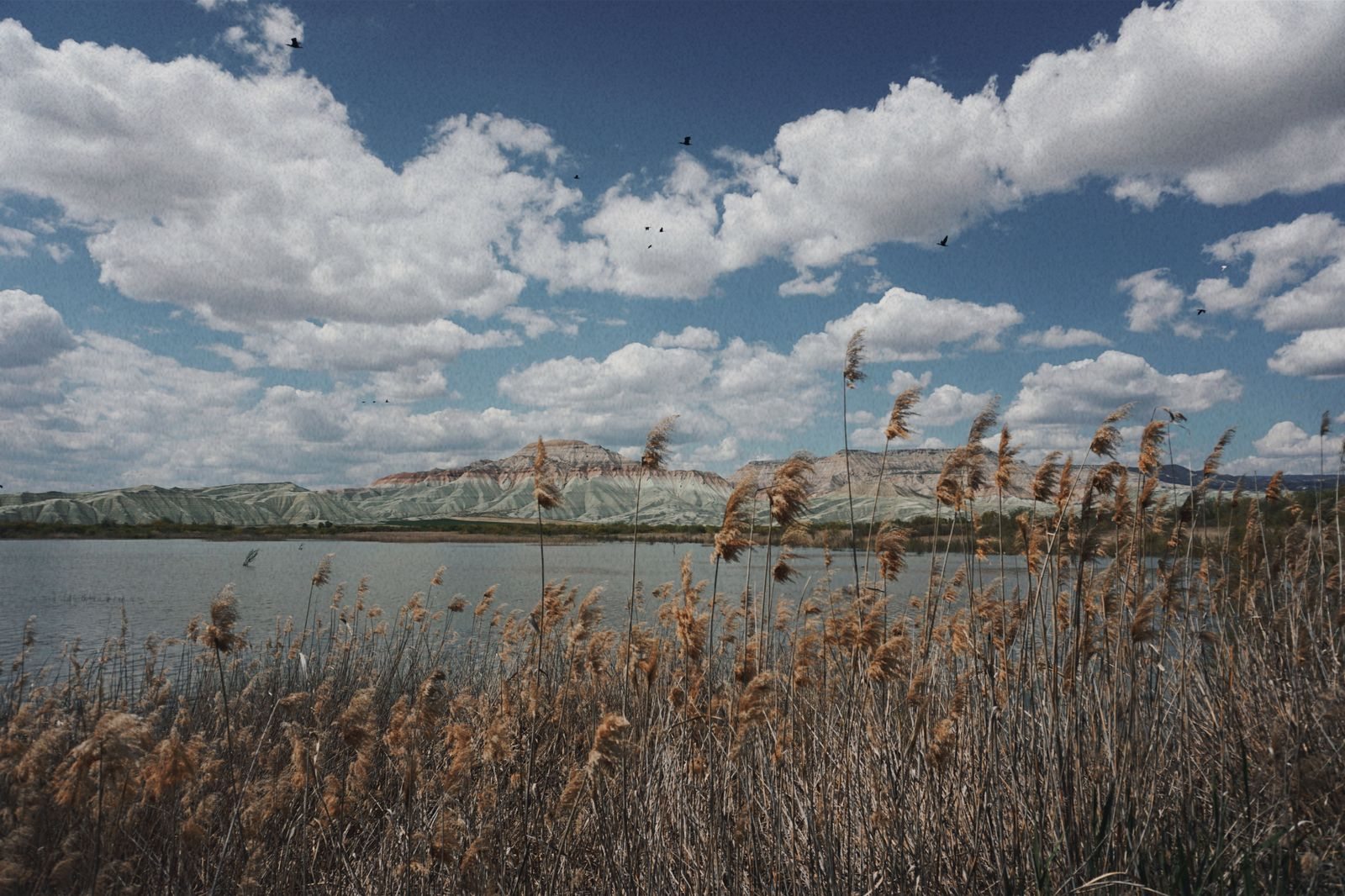
If the stay allows, observe the same panorama at two different moments without expecting a spectacular transformation. Simply notice which areas are lit and which disappear into shadow. A wide photograph and a short note can preserve the difference without occupying the entire break. Maintain a return time independent of finding perfect light, and check conditions before moving. Looking at mountains from a comfortable position is a complete experience. It does not require adding a demanding route merely to make the day seem more significant than a period of careful observation would otherwise appear.
Notice lines and contrasts from a suitable position; identifying every summit remains optional.