Photograph a lake without spending the day on a screen
A few carefully chosen frames leave time to notice the water, shoreline and changing light.
Find a position before finding a picture
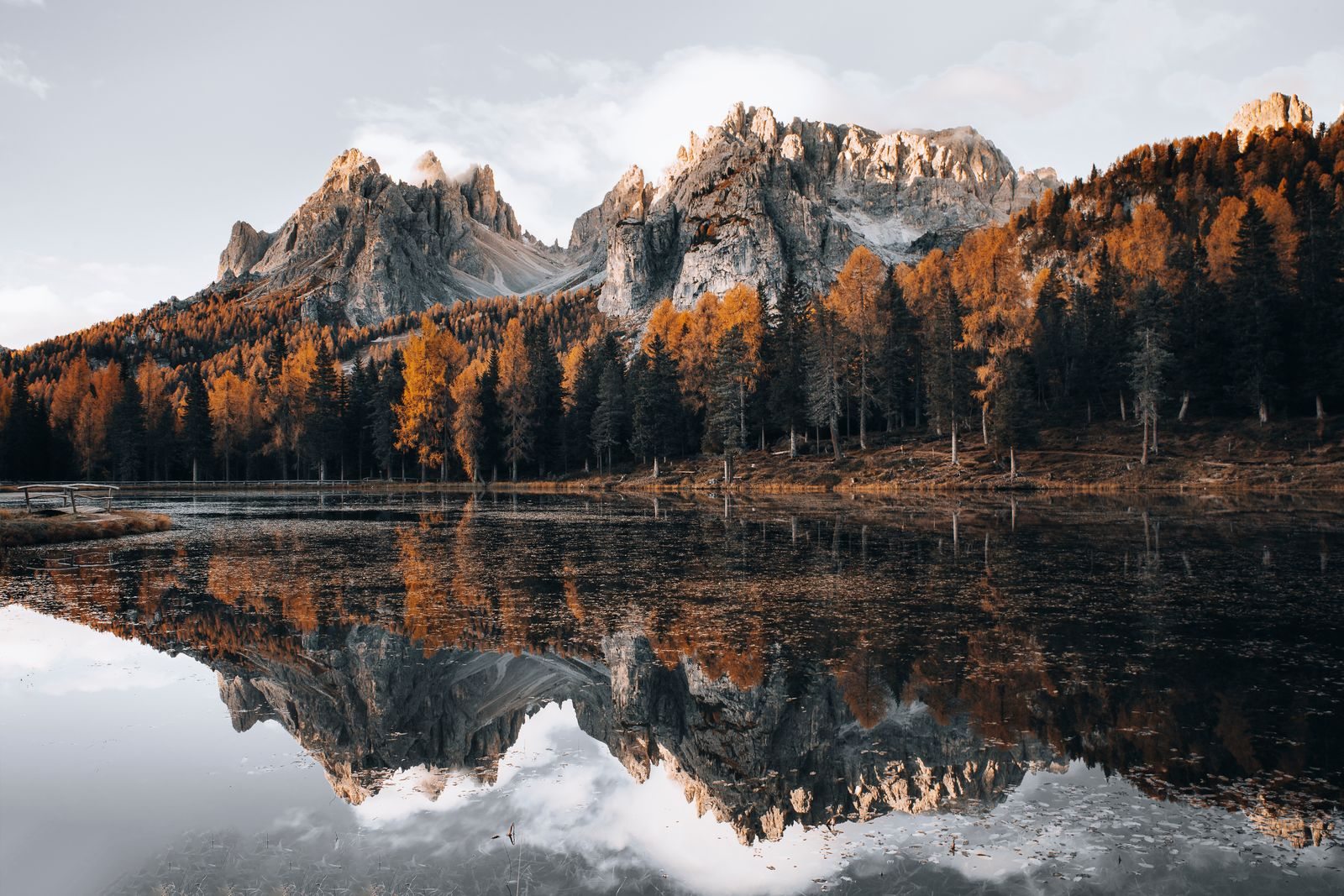
Keep your phone in your pocket for a few minutes after arriving and look at how the lake fits into its surroundings. Choose somewhere on a public route where you can stop without blocking others. You do not need to descend to the water for an interesting composition: a wall, a bend in the path or a gap in the view can give the scene depth. Before moving towards the shore, check access and the stability of the ground. Walking shoes do not make a wet rock a suitable camera position. If travelling with someone, agree on a short pause and a meeting point so nobody is left waiting indefinitely.
Choose three different pictures
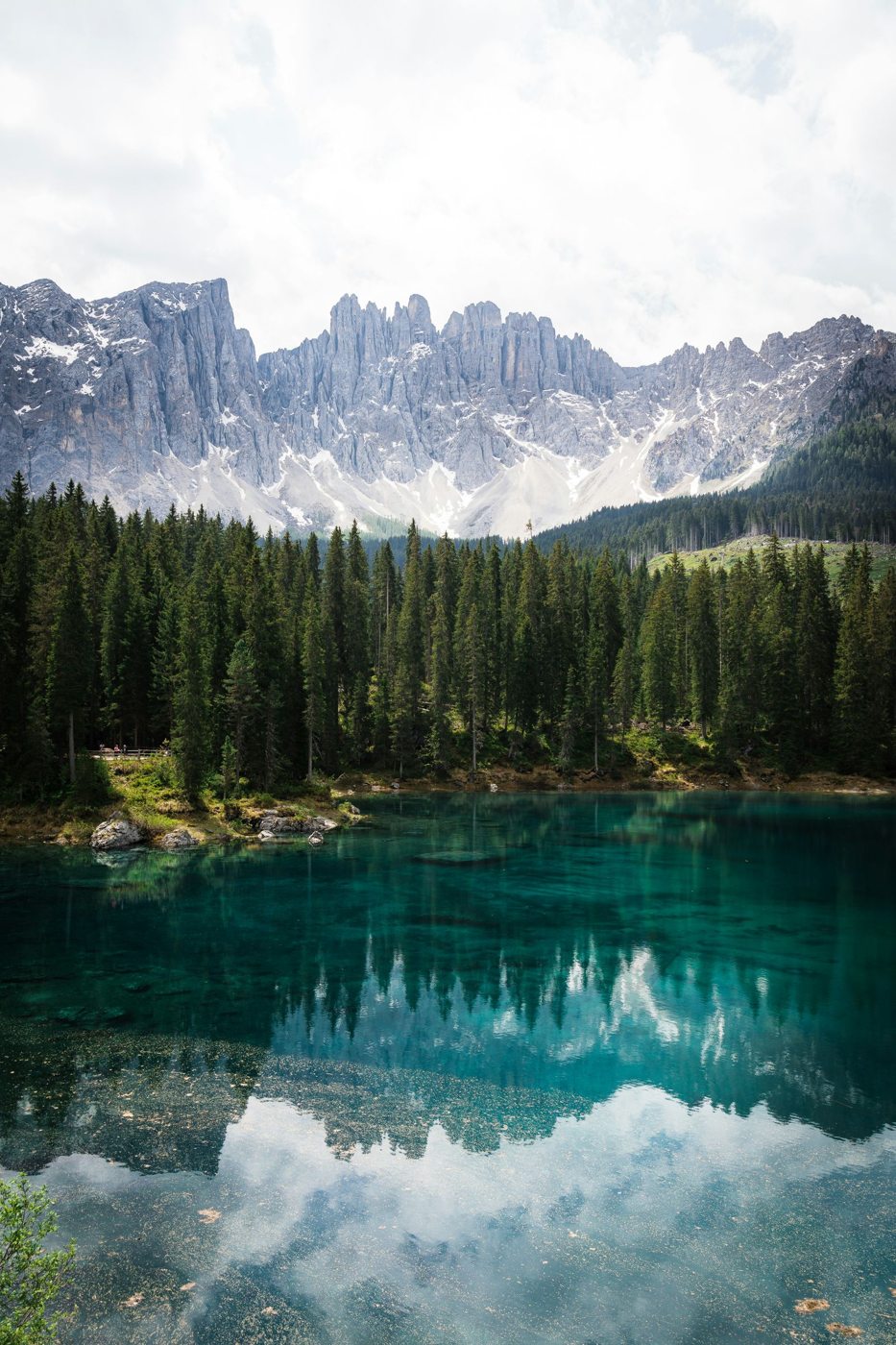
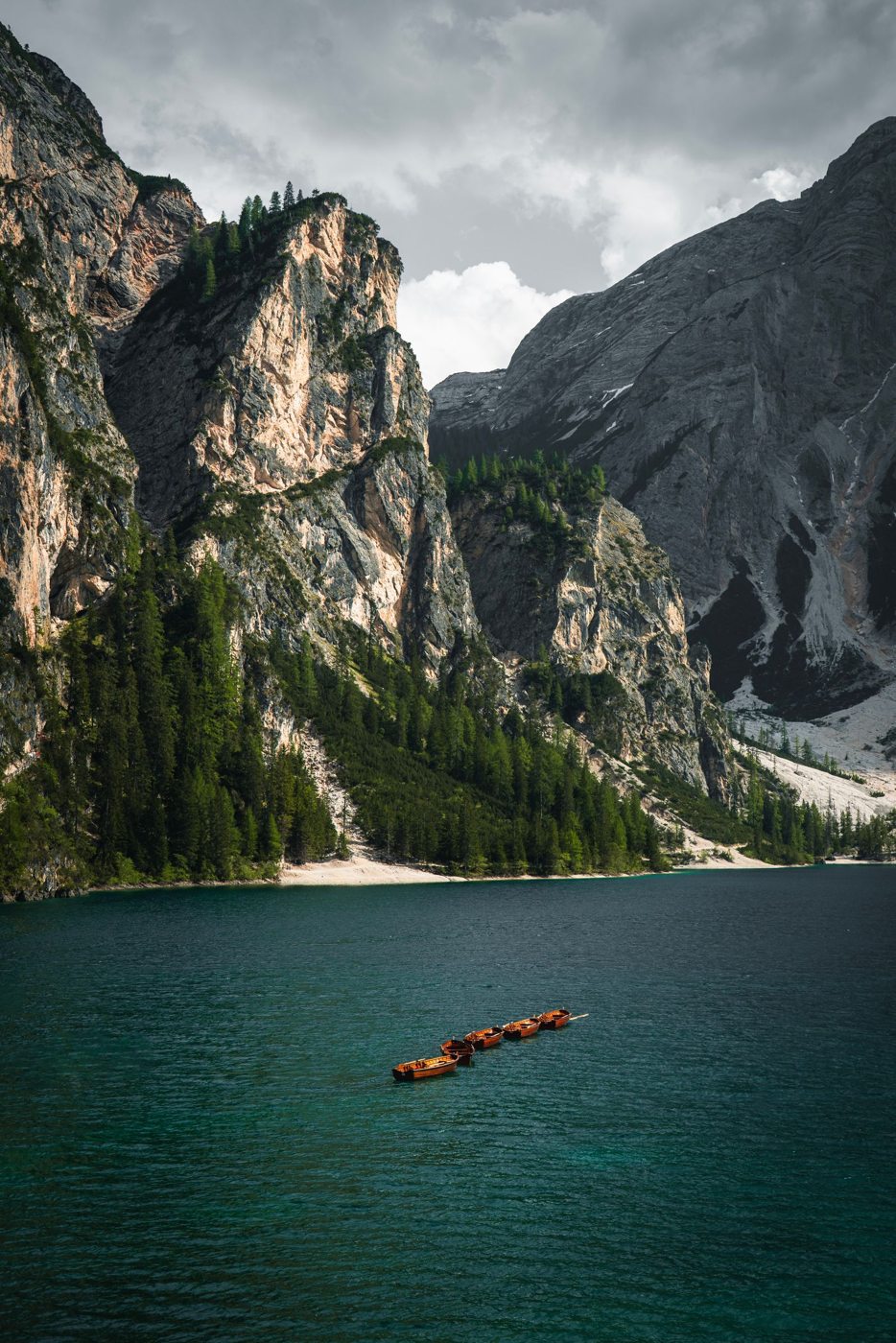
Try describing the lake in three images: a broad view, a detail beside the shore and a relationship between water and human surroundings. This approach avoids dozens of nearly identical frames. For the broad view, check the horizon and edges; for the detail, notice reflections, texture or an existing object without rearranging natural features. The third picture might include a jetty or building while respecting access restrictions and other people. A perfectly clear sky is not essential. Cloud and even light provide different possibilities, as long as you do not force the scene to resemble a postcard found before travelling. Work with the actual place and conditions in front of you.
Review your pictures after the walk
Leave detailed selection for a later break so the walk does not become a sequence of screen checks. On location, simply establish that the image was saved and has no obvious mistake. If photographing sunset, plan your return beforehand and remain near a familiar route; stronger light is not worth an improvised journey back. At the end of the day, choose a few images representing genuinely different moments. Keep colours plausible if your aim is to remember the location, and do not present a heavily altered image as a record of the lake’s conditions. A photograph can be beautiful without suggesting every visitor will encounter exactly the same scene or weather.
Choose a comfortable position and three distinct compositions, review them later, and give the lake some attention without a camera in your hand.