Pause to watch the clouds while travelling
Find a comfortable place and notice the sky as part of the landscape without treating observation as a forecast.
Stop where leaving is straightforward
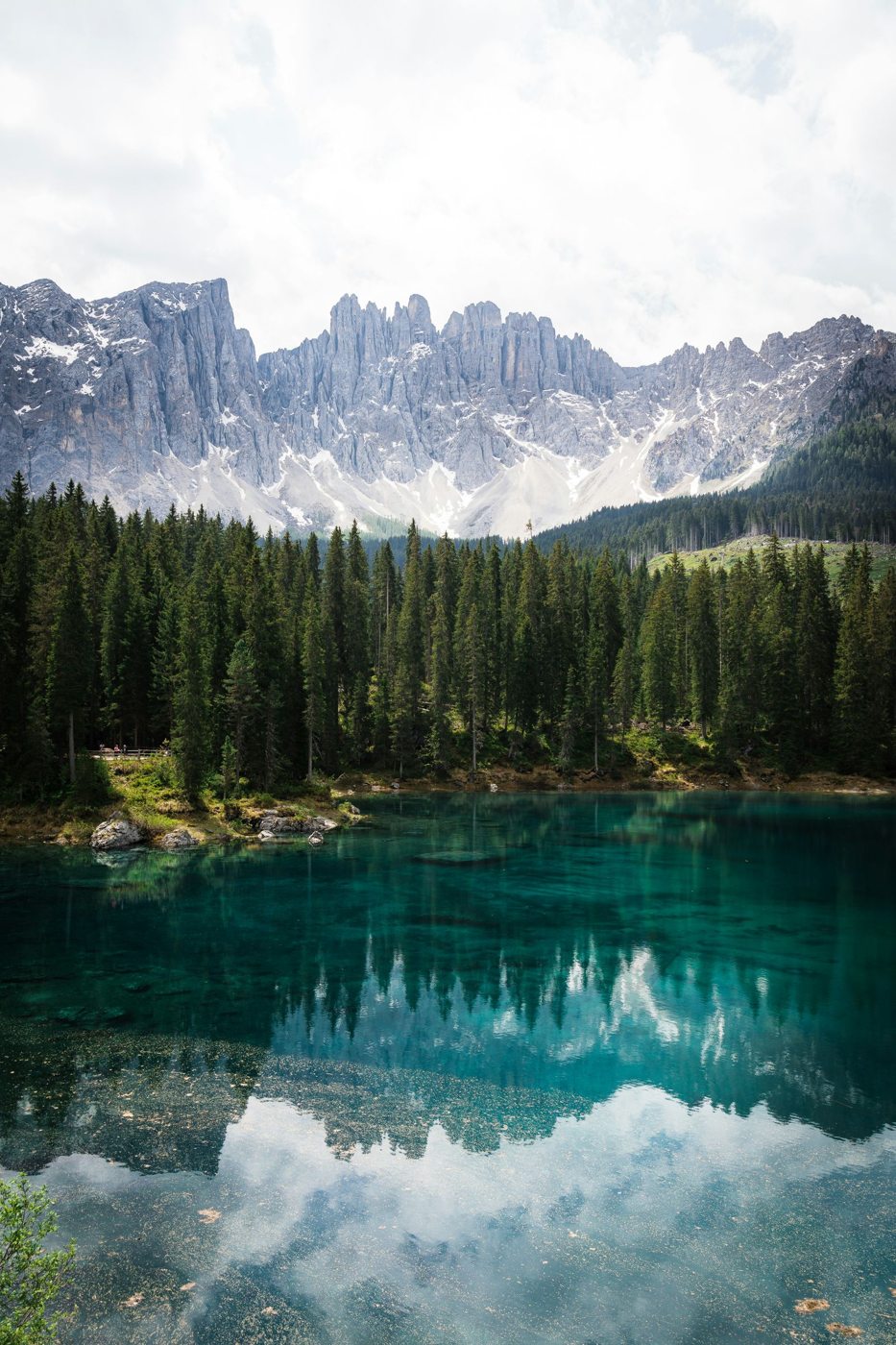
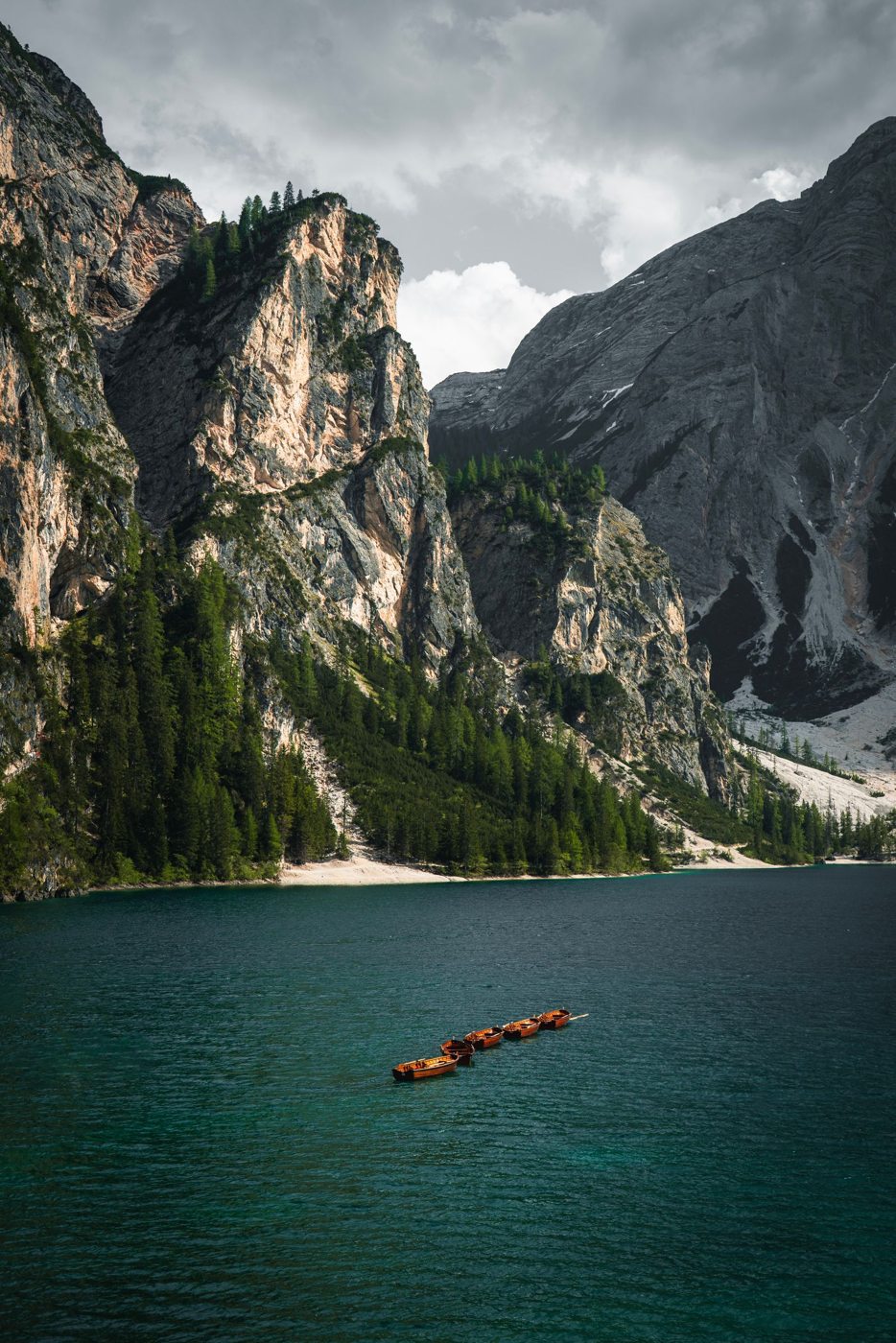
Choose a bench or permitted public space close to your planned route. Watching the sky does not require an exposed ridge or an isolated position. A lake, open square or park edge often provides enough of a view. Check the forecast before going out and do not treat a cloud-watching pause as a way to predict safe conditions. Avoid staring towards the sun and choose a comfortable direction. If there is no shelter or the wind becomes distracting, move elsewhere: the value of the pause does not depend on remaining faithful to the first place you selected for it.
Give one change your attention
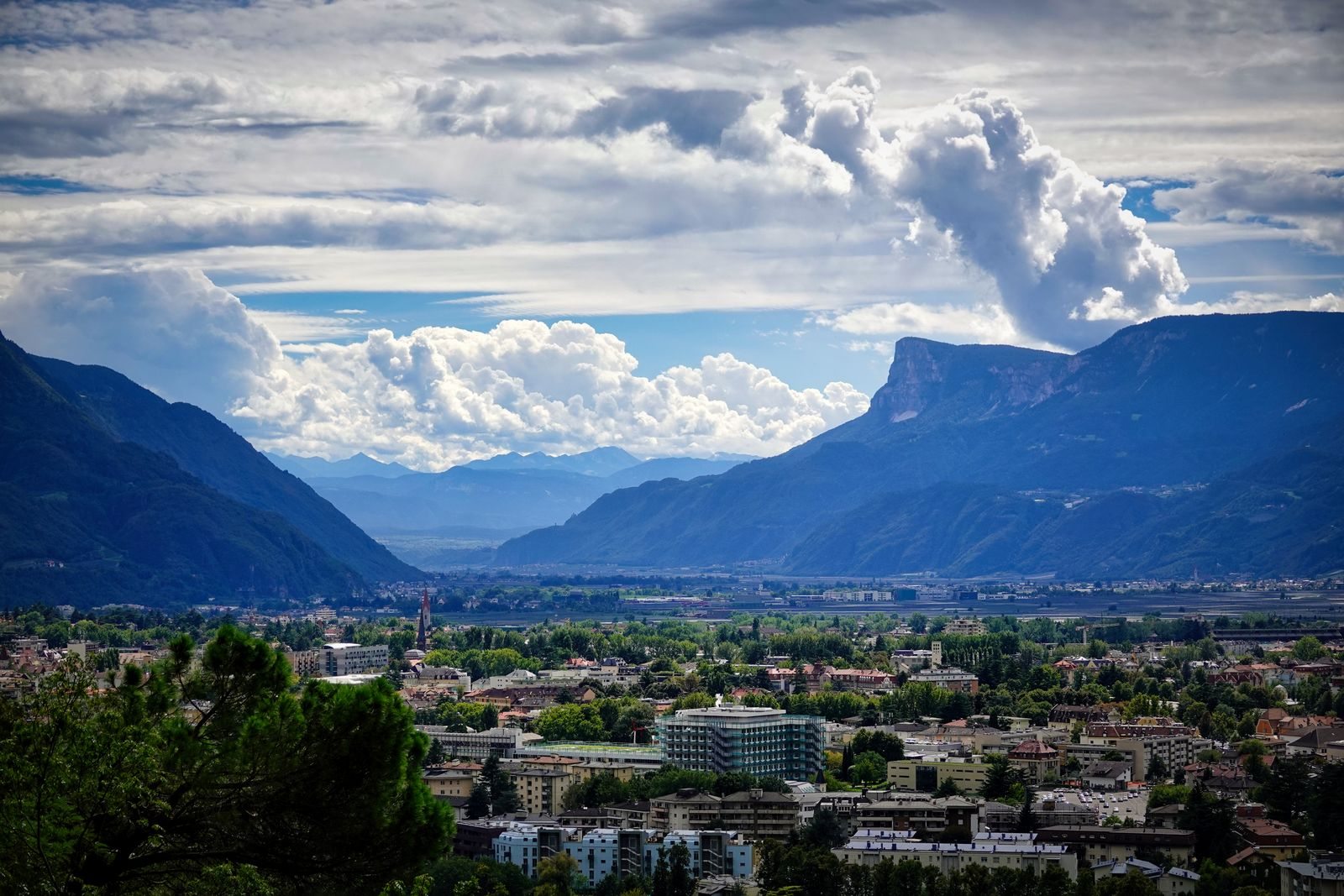
Instead of photographing the entire sky, choose a detail: a shadow crossing a hillside, a bright band on the water or a shape changing above a building. Watch the same point for a few minutes and notice what shifts. A notebook can hold a sentence or small sketch, but you do not need to document every stage. With companions, compare what each person notices without needing to agree on an interpretation. The activity requires no technical cloud names and promises no wellbeing outcome; it simply offers a different way to spend a travel break using the landscape available at that particular moment.
Separate observation from practical decisions
An interesting cloud may encourage you to stay, but your return still depends on schedules and actual conditions. Keep a limit for the pause and consult official information when the weather changes. Do not wait until you can personally interpret every sign in the sky before following a warning. If the pause ends early, you can continue observing from a sheltered place where you are allowed to remain, without entering private property. Gather your belongings and check the route before leaving. A brief note, perhaps about the lake’s colour beneath a cloud, can preserve the moment without adding activities or transfers to the day.
Choose a pause that is easy to end, notice one changing detail and base weather decisions on reliable information rather than your interpretation of the sky.