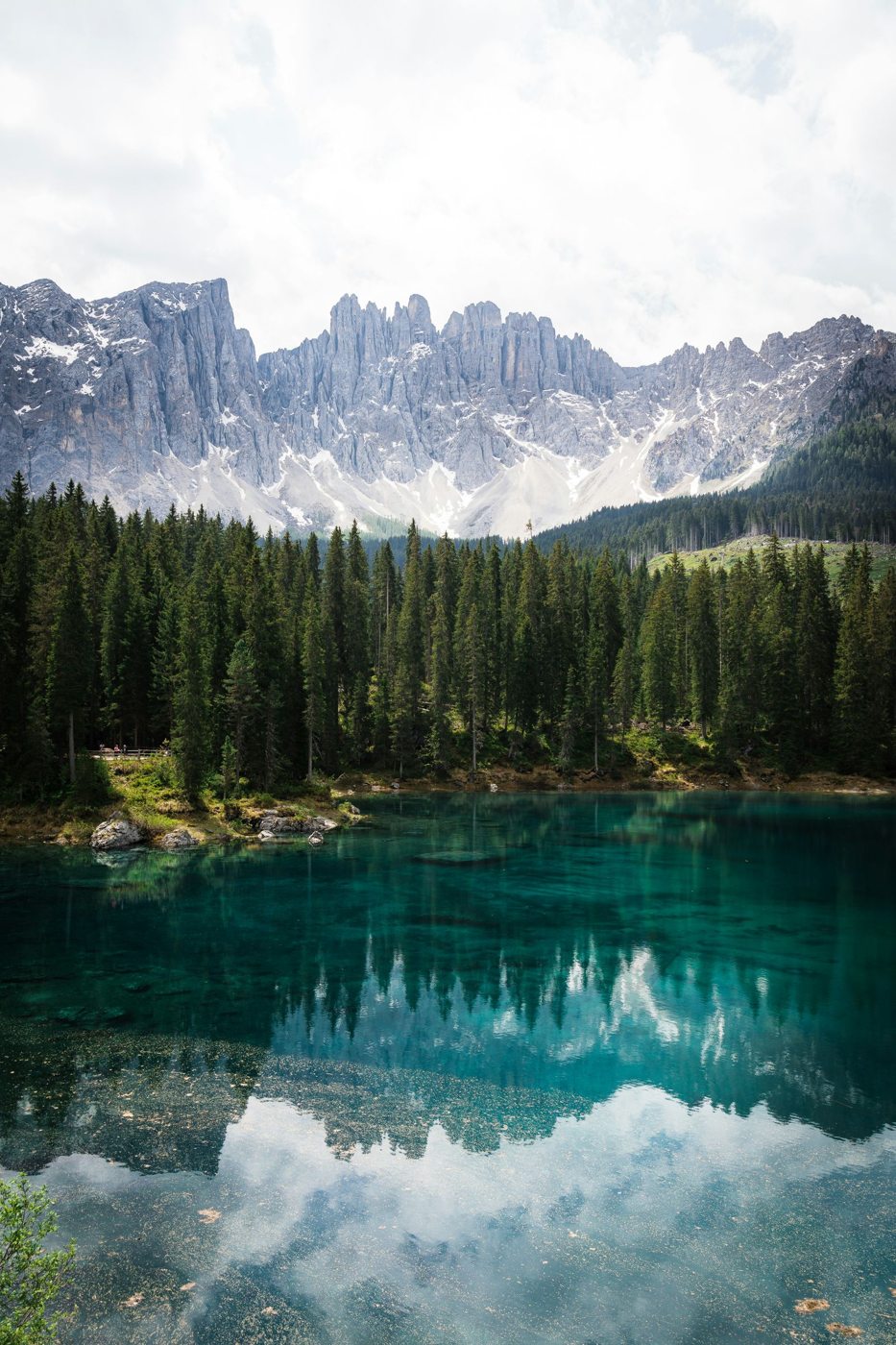
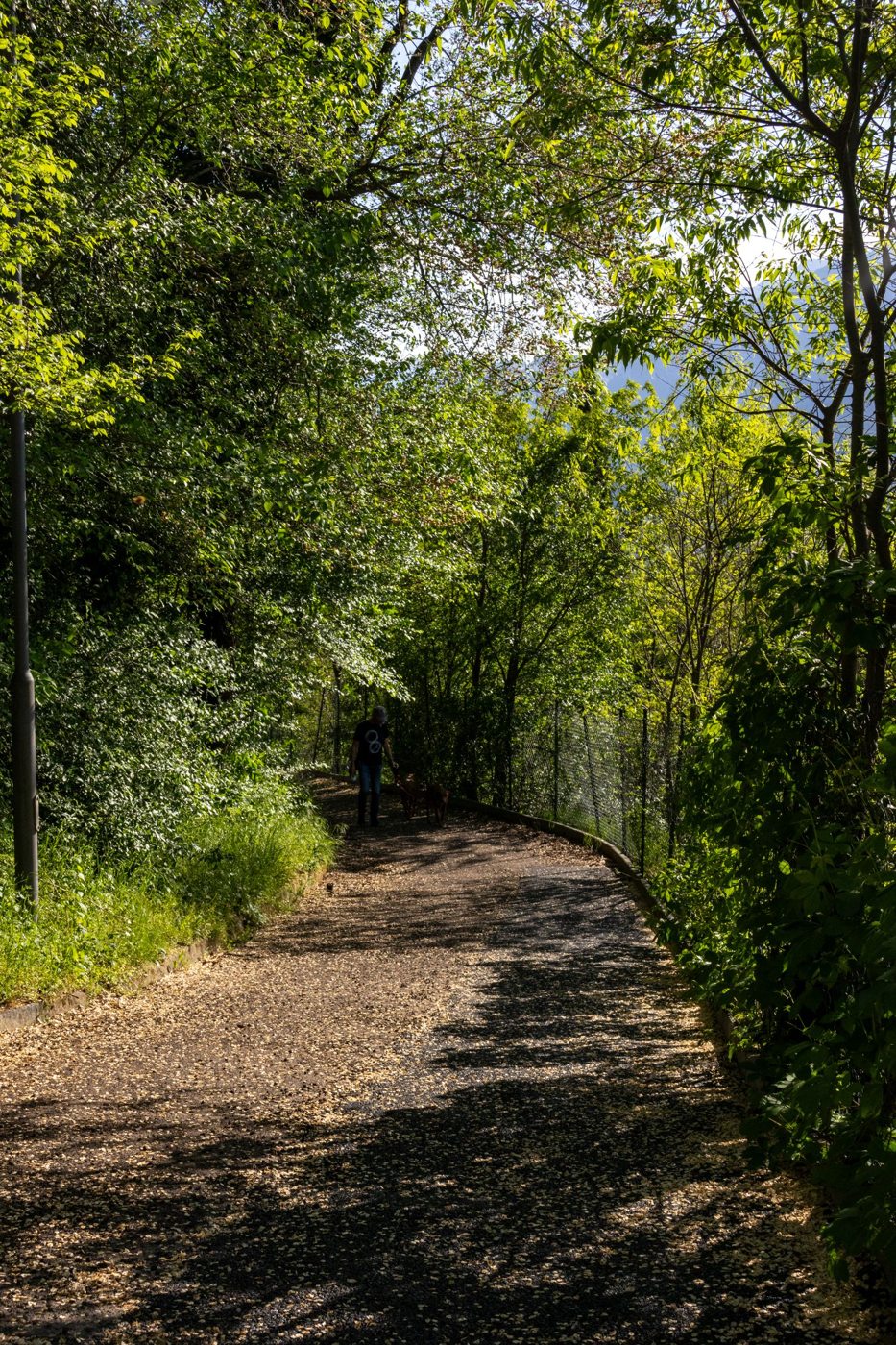
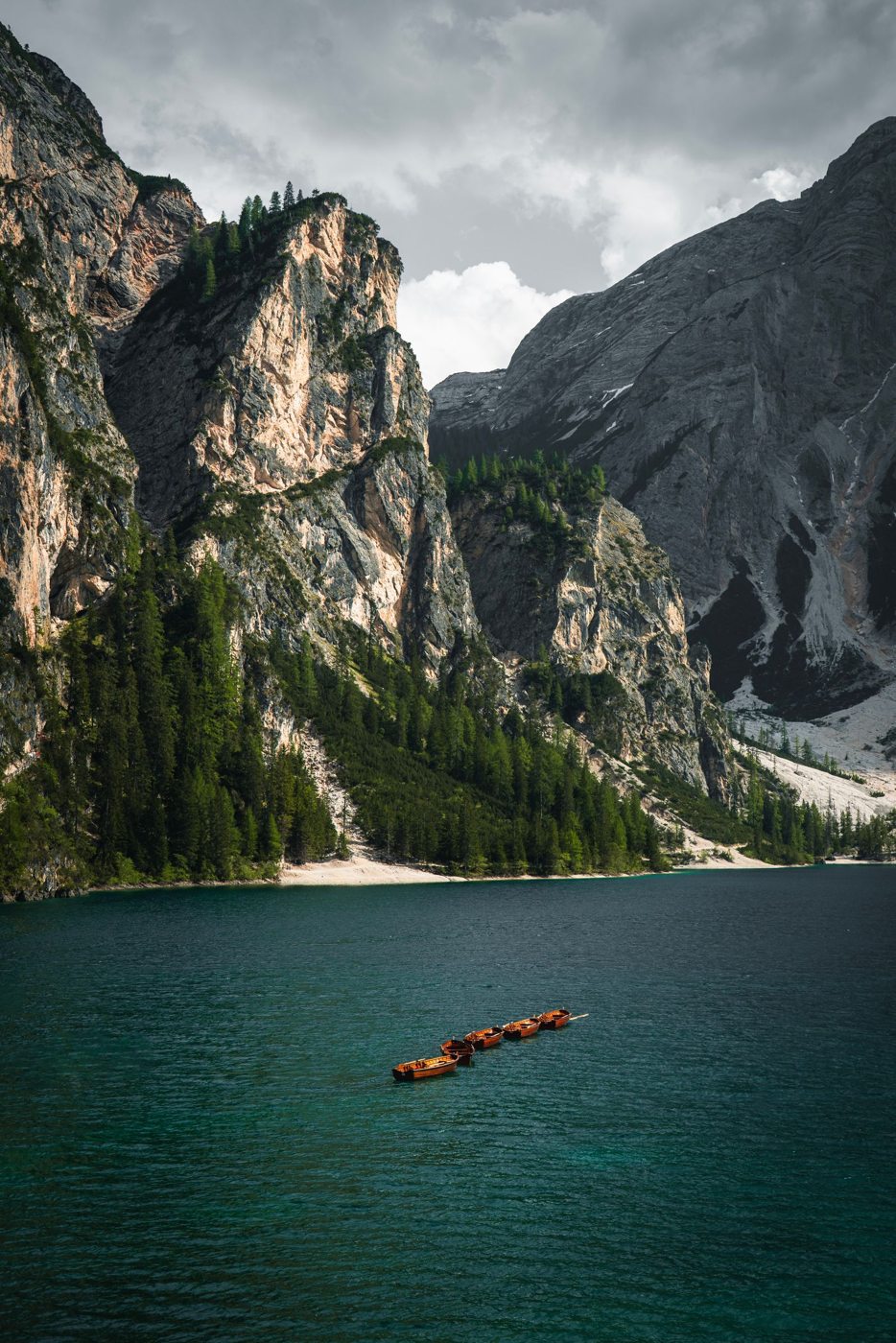
Light on the lake: stay long enough to notice it change
One viewpoint can reveal more variation than a sequence of hurried stops.
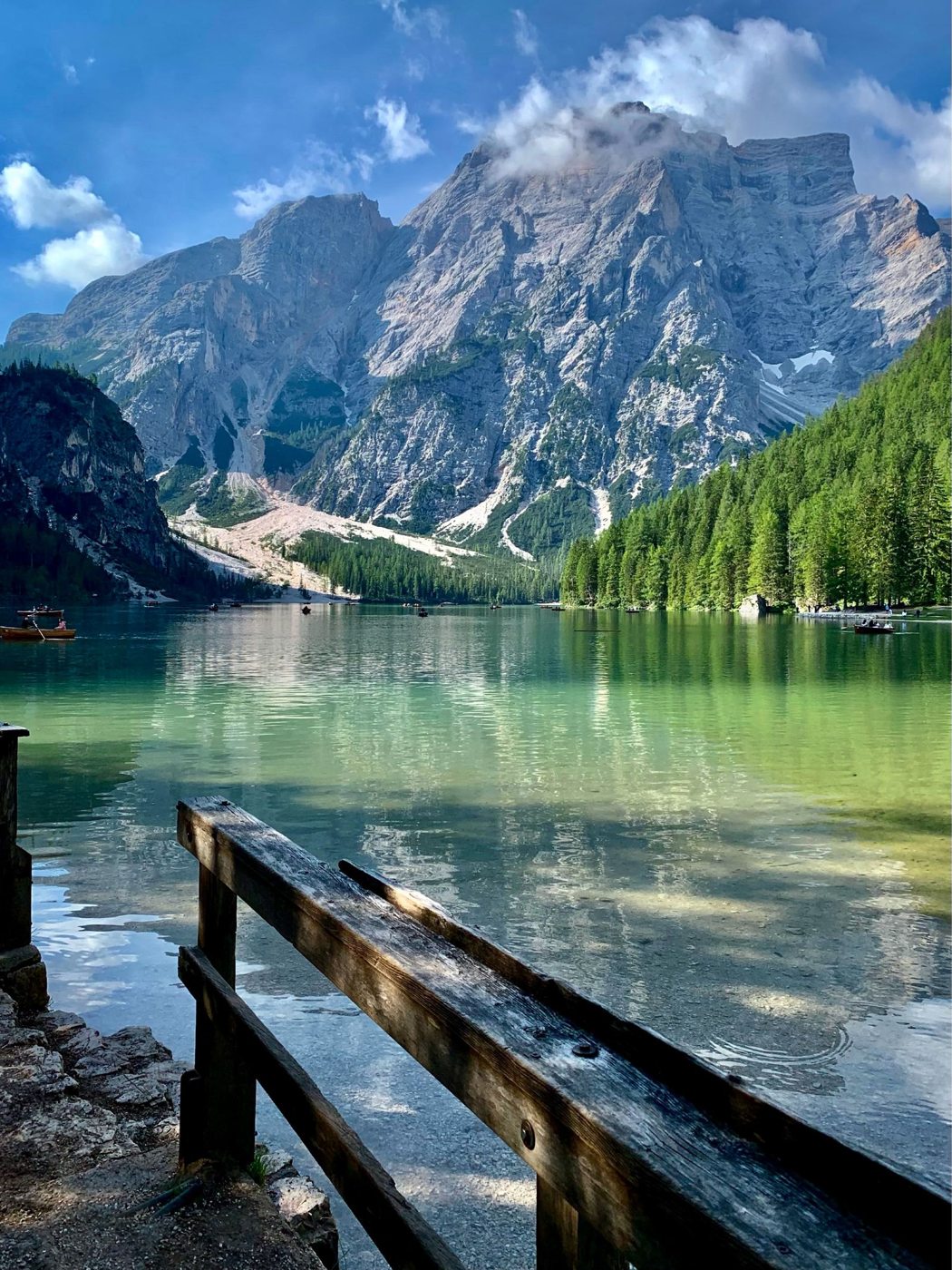
Find somewhere to genuinely pause
Choose a bench or permitted edge of the route where stopping will not obstruct others. The view does not need to be the most famous one; what matters is comfortably seeing water, shore and sky. Avoid settling on jetties or access points intended for other uses unless stopping is allowed. Check your return and available time before sitting down so the break does not depend on continually consulting a phone. A position slightly farther back may offer a more interesting composition than getting as close to the water as possible.
Choose one small section
Follow a reflection, a line of shadow or the boundary between two colours. Notice what happens when a cloud passes or the movement of the surface changes. There is no need to wait for a major event: ordinary variation is the subject. If the light remains similar, look at the relationship between nearby movement and apparently still features on the opposite shore. Avoid assigning special meanings to every change; let it remain something you simply notice without having to explain or record it immediately.
Use photographs as notes
If you wish, take one photograph at the beginning and another later from the same position, where permitted and without identifiable people. Then put the device away for part of the pause. Comparing images may reveal differences you missed, but this does not need to become a technical assignment. Continually moving in search of a perfectly symmetrical reflection is unnecessary. The actual surface may be rippled, crossed by shadows or less brilliant than expected while remaining interesting in its own right rather than failing to match an imagined scene.
Finish before observation becomes waiting
When you no longer feel like looking, continue the walk or return to your base. Do not remain merely because you think the best moment must still be ahead. Keep a simple note: a colour, a shape or the position of light. It can provide a comparison on a future visit without requiring the same scene to be recreated. Giving a place time also means being able to leave satisfied, without waiting for a final photograph to make the pause feel complete.
Choose one comfortable viewpoint and notice small variations without waiting for a perfect scene.