Between meadow and woodland: reading landscape transitions
Follow an existing marked path to notice changing depth, light and shapes as trees give way to open grassland.
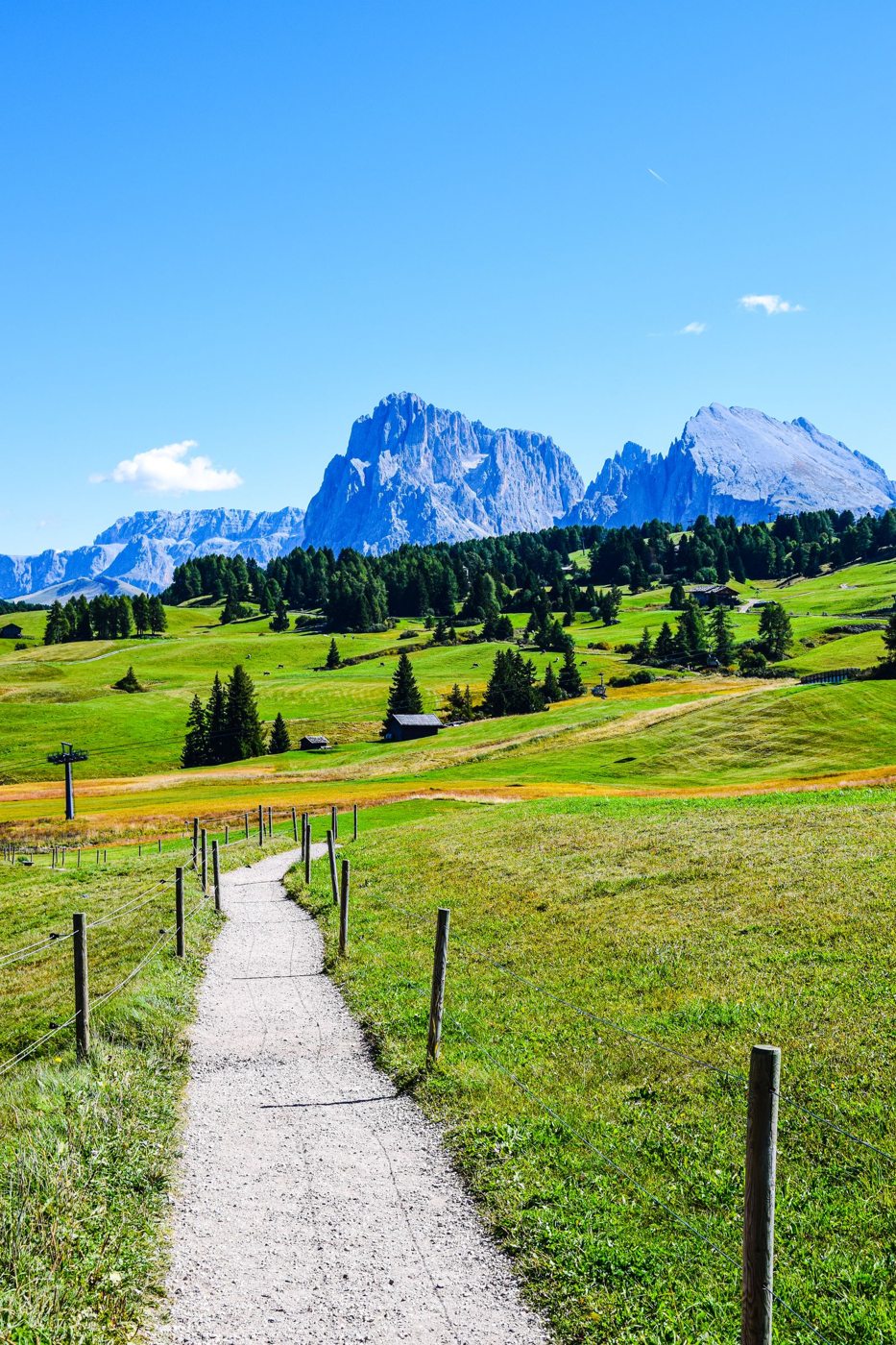
Look for a transition rather than a summit
For this walk, choose a documented, marked route alternating open ground and wooded edges. A high viewpoint is not the destination: the interest lies in how the landscape changes as you move. Read the map alongside route photographs, distinguishing woodland the trail enters from trees only visible in the distance. A short stretch between meadow and trees may provide more variation than a long, entirely open road. Choose terrain and ascent suited to your abilities so attention remains available for looking. Identify two or three changes of setting along the same itinerary rather than adding detours specifically to collect more viewpoints.
Compare the view from three positions
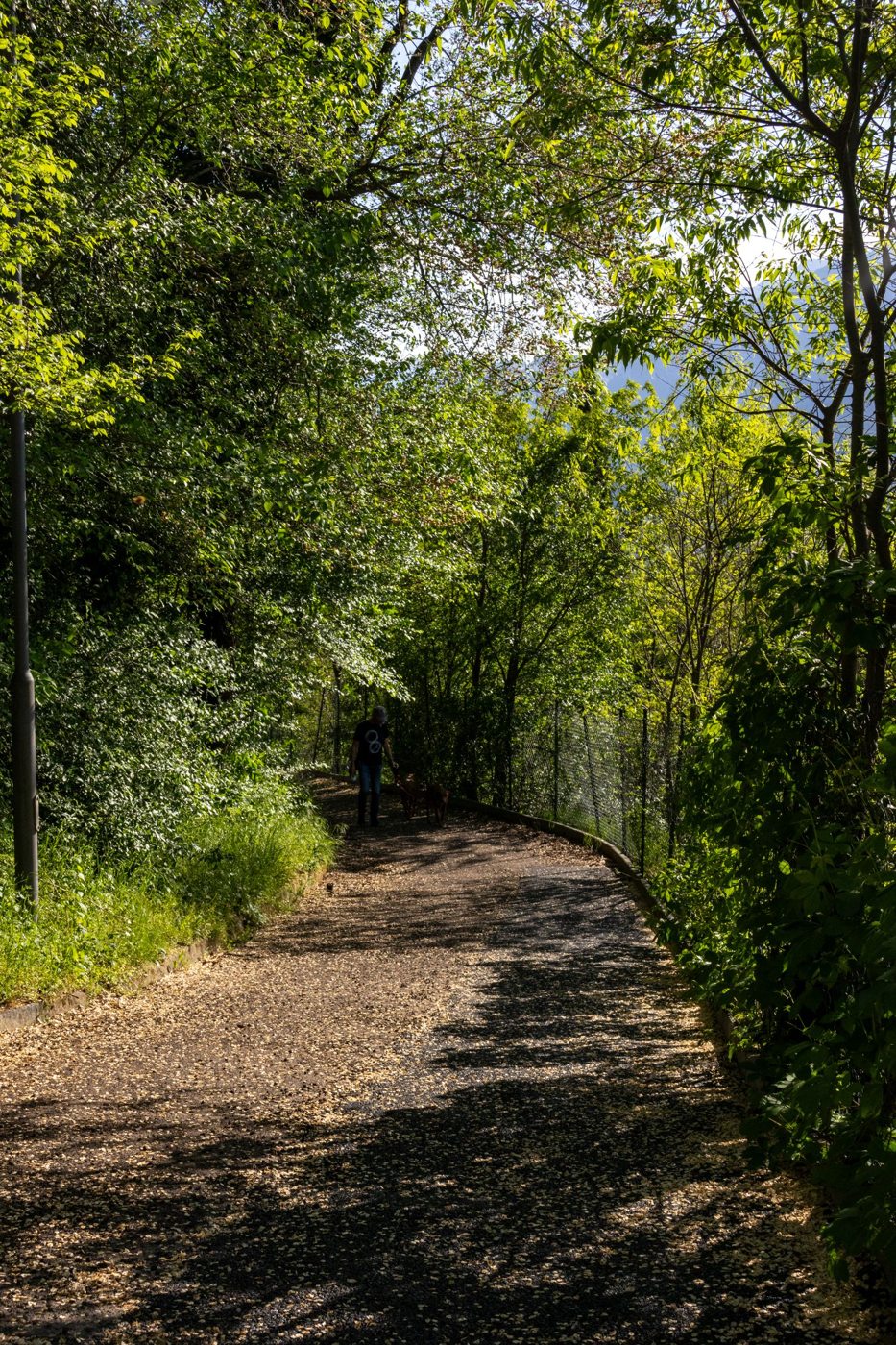
Pause before the woodland edge, then at a permitted spot near the trees, and finally where the path opens out again. From each position, look towards the same distant features: a ridge, building or curve in the ground. Trees may conceal them, divide them into small windows or frame them. Notice how much of your field of view is occupied by sky and meadow. You do not need to identify every plant; this exercise concerns relationships between shapes, distances and lines. If taking photographs, use a similar composition at all three pauses to reveal the change instead of seeking three spectacular but unrelated images.
Describe what connects the settings
Observe the edge as a band rather than necessarily a sharp boundary. From the path, you may notice isolated trees, shrubs, grass and overlapping shadows. Describe what is visible without deducing the land’s history or management from a single visit. A sentence such as “the meadow remains visible between the trunks” is more precise than an unverified interpretation. To record the route, draw three rectangles in a notebook and mark only the positions of trees, sky and the distant line. Compare them during a pause: they show how the same landscape can appear enclosed or expansive when your viewing position changes by just a few steps.
Choose a stretch that moves between meadow and trees, then compare the same landmarks from several positions: the subject is how the view changes.