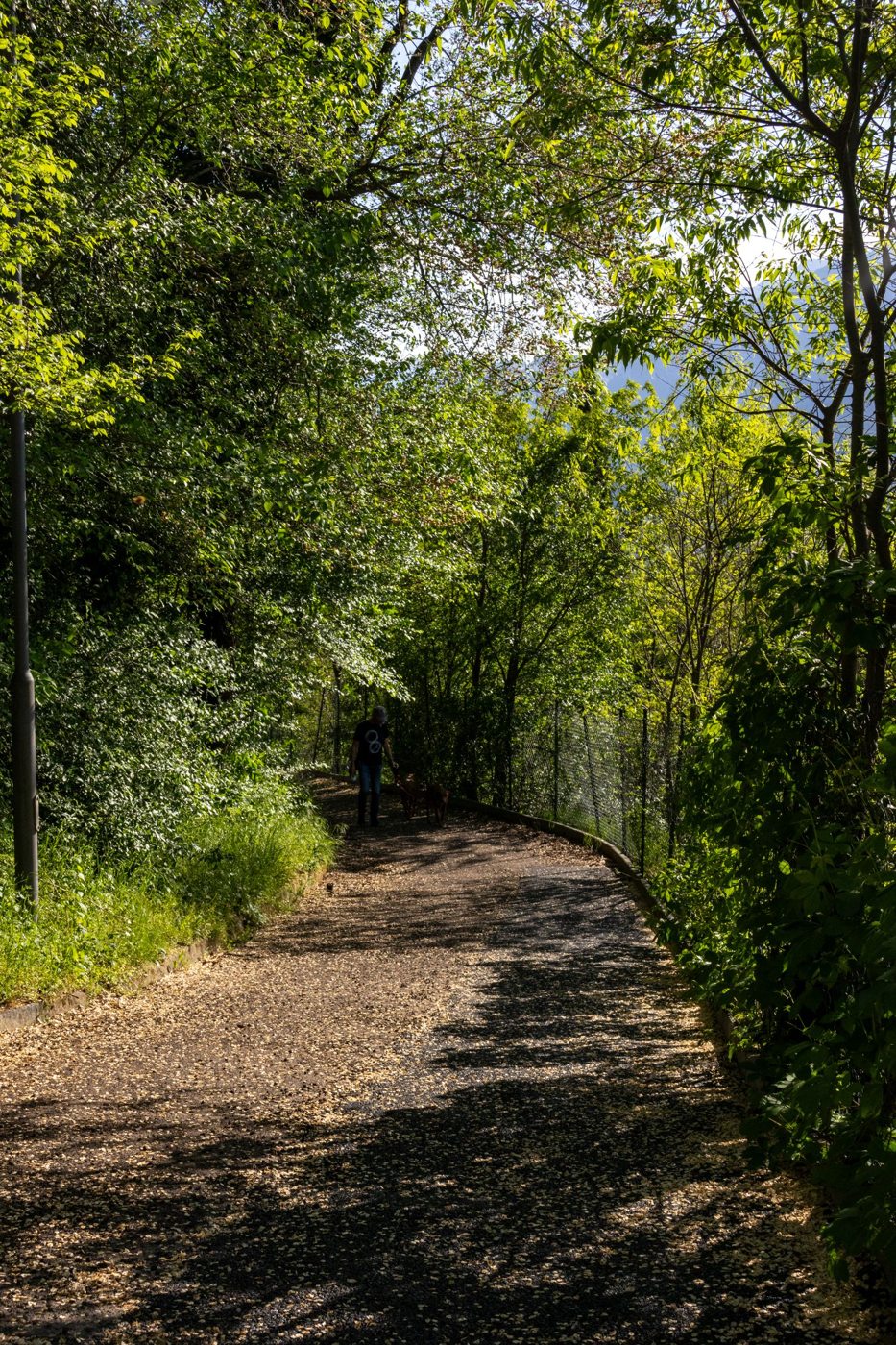
Explore village lanes at an unhurried pace
Shade, masonry and openings between buildings provide a theme for a short walk along public passageways.
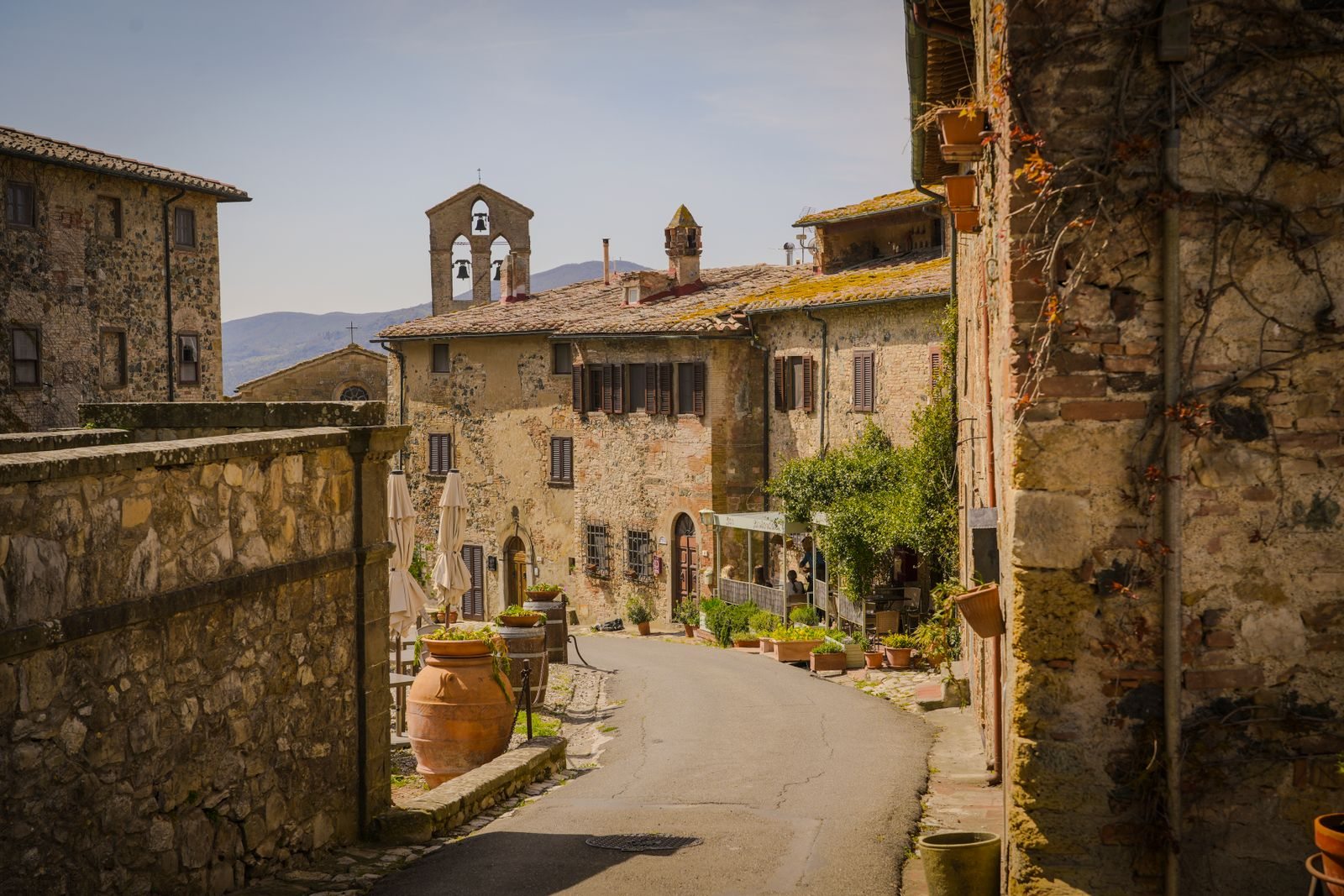
Choose a few connected streets
Understanding a village’s character does not require walking every lane. Start from a recognisable square and choose two or three public streets that let you find it again without constantly following your phone. Examine the surface before continuing: steps, slopes and uneven paving can make even a short route demanding. For an easy outing, choose passages that match your abilities and leave unsuitable sections out. An open arch does not necessarily mark public space: notice signs and entrances, and when a courtyard’s status is unclear, continue along the street rather than entering. A compact route leaves more attention available for the details around you.
Read light and materials without inventing history
Pause where you leave the passage clear and examine one section of wall. Compare stone sizes, plaster colours and the shapes of doors or windows without assigning an age from appearance alone. Use verified local information to learn building history; for this walk, describing what is visible is enough. Notice one side of a lane remaining shaded while the other receives light, or an opening revealing the landscape beyond the houses. When photographing, focus on materials and geometry rather than looking into homes or private courtyards. A narrow frame can reveal relationships you would miss in a broad view of the entire street.
Let the village continue its day
A village is inhabited even when it seems quiet. Keep entrances, steps and passages clear, moving aside for residents, deliveries or authorised vehicles. Avoid using private thresholds as seats; a public bench or pause in the square lets you stop without occupying someone’s space. Give the walk three different details to notice, perhaps an arch, a change in paving and a strip of shade, then compare them during your break. This small theme shapes exploration without turning houses into scenery or every lane into a compulsory stop. The result can be a more precise understanding of a few streets instead of a hurried circuit covering them all.
Follow a few public passageways and notice light, stone and openings: attentive exploration needs neither courtyard access nor an invented story for every wall.