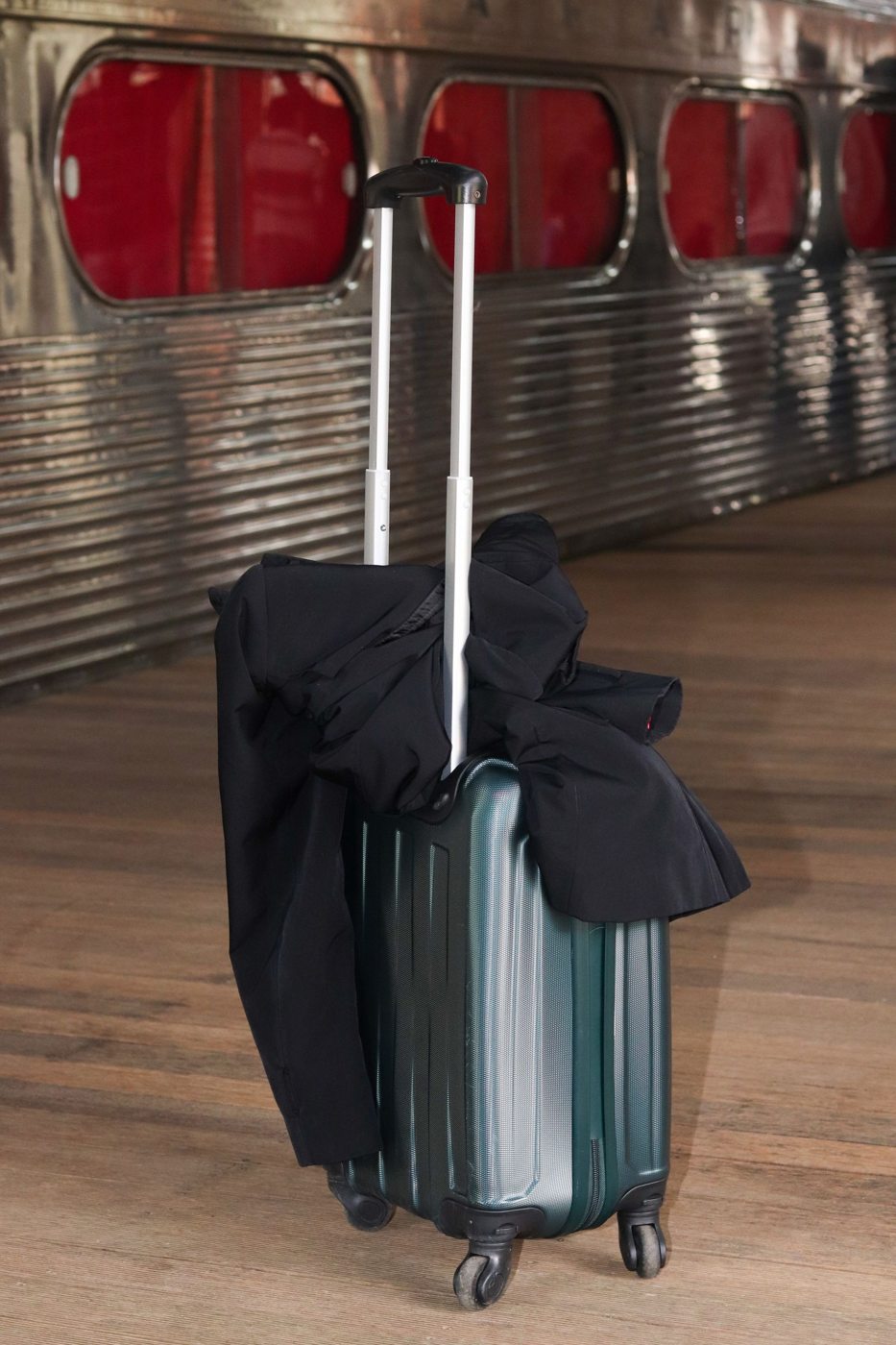
Make a train connection without the sprint
The gap between two trains needs room for stairs, navigation and luggage.
Choose a margin that works for you
Two journeys with the same arrival time can demand very different amounts of effort. Before choosing one, look at where you change and how often you must move your luggage. A short connection may look efficient on a screen while leaving little room for a distant platform or a busy lift.
There is no single number of minutes that suits everyone. Consider how well you know the station, what you will carry and whether you need assistance. When travelling together, use the pace of the person who needs the most time as the reference for the whole group.
Use the first journey well
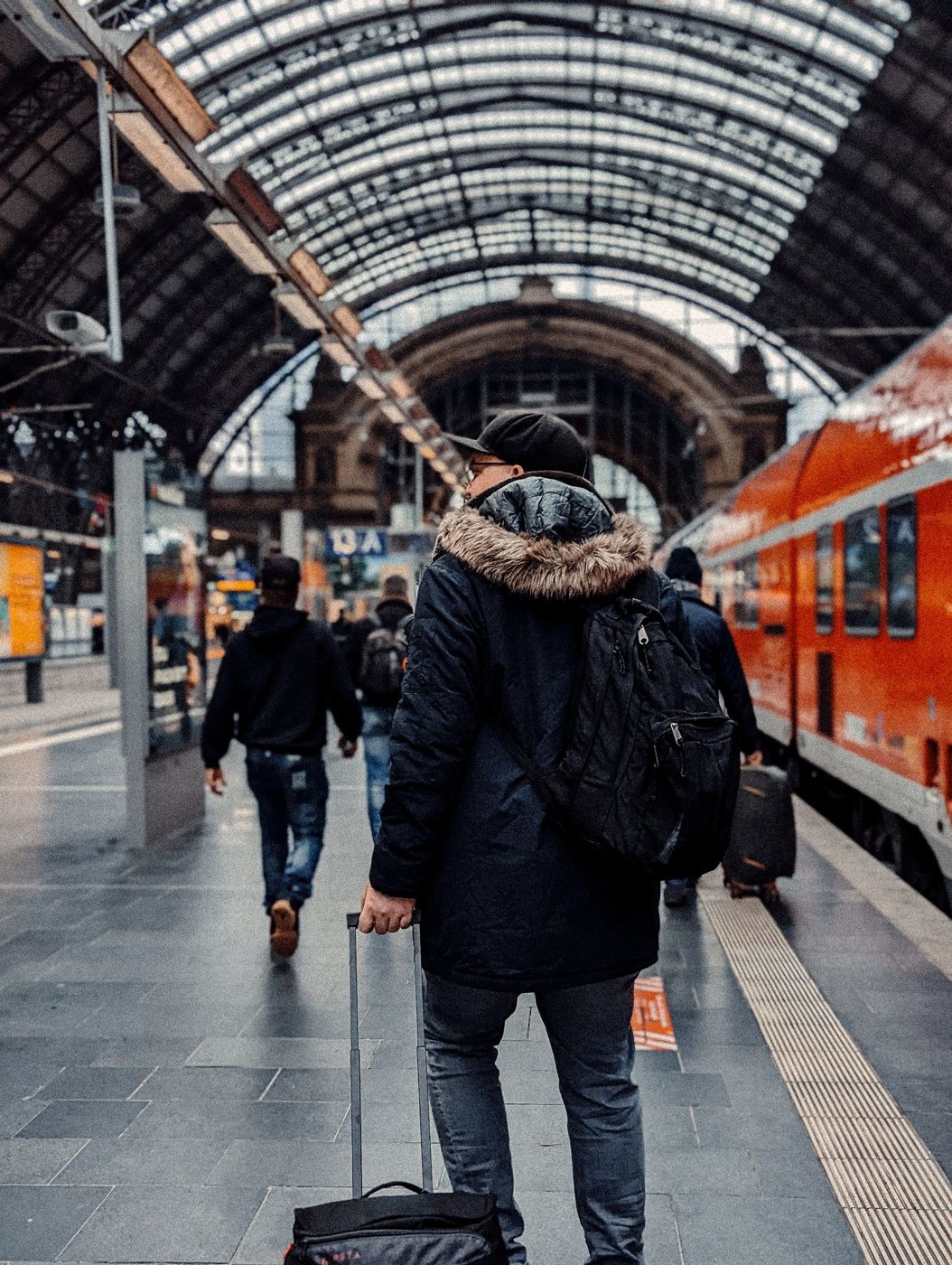
Keep the next train’s number, destination and booking confirmation somewhere easy to find. Shortly before arrival, gather small belongings and put on your backpack. Doing this calmly at your seat avoids blocking the aisle while other passengers are trying to leave the train.
Platform information can change. Check station displays and announcements instead of relying only on a saved screenshot. Find the correct direction first, then decide whether you really have time to buy something. A queue that looks short at first can suddenly stop moving.
If the plan changes
If a delay develops, check the operator’s instructions for your particular ticket. Do not assume a separate reservation will be changed automatically. Have the details of both journeys available and contact the indicated staff or support channel, rather than immediately buying an alternative you have not yet compared.
If you have something booked after arrival, avoid placing it immediately after your train. A flexible dinner or an unplanned walk absorbs a change more easily than an admission slot with a fixed time.
Choose a connection around the journey through the station, not just the timetable.