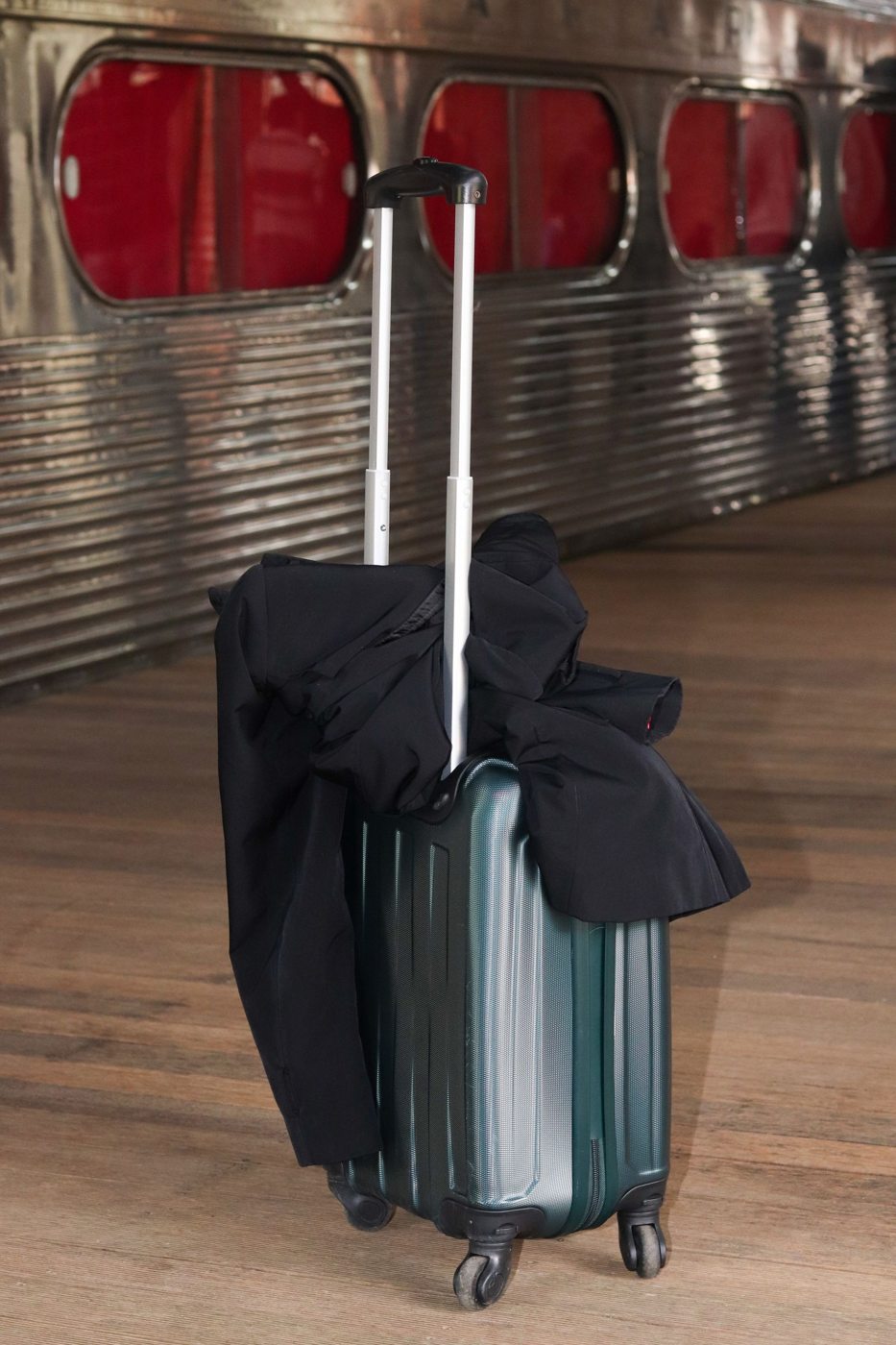
The last stretch from station to accommodation
A short line on the map can hide stairs, slopes and a hard-to-find entrance.

Measure the actual route
When comparing two places to stay, open the walking route from the station to the exact address. Straight-line distance tells you little about the effort of pulling a suitcase. Look for information about gradients, steps, pedestrian passages and entrances. In a village, the shortest route is not always the easiest.
Pictures of the entrance can be more useful than a general claim that somewhere is central. Ask which side you enter from and whether the suggested route suits your luggage. If you have accessibility needs, describe them clearly and request details about individual obstacles rather than relying on a brief label.
Have a concrete alternative
If the walk does not look suitable, investigate a taxi, shuttle or local connection before departure. Check how to book, where you meet the driver and what happens if your train is late. A service mentioned in an old review may not operate on your travel date.
Save the address, telephone number and check-in instructions offline. Having only the property’s trading name may not be enough when there are several buildings or entrances. If arriving after dark, ask for a recognisable landmark and the correct way to contact whoever is meeting you.
Check the return journey too
A downhill arrival can become an uphill departure. Plan the route back to the station and leave time to collect luggage. If using a transfer, confirm the meeting point again. Your train’s departure time is not the time to leave your room.
When sharing directions with a travelling companion, include a picture of the entrance and the name on the doorbell. Small details prevent unnecessary phone calls if you separate to buy something or collect a bag.
Consider address, terrain and arrival time together: “near the station” is only part of the story.