Directions to save before you leave
Prepare essential reference points while you still have a reliable connection.
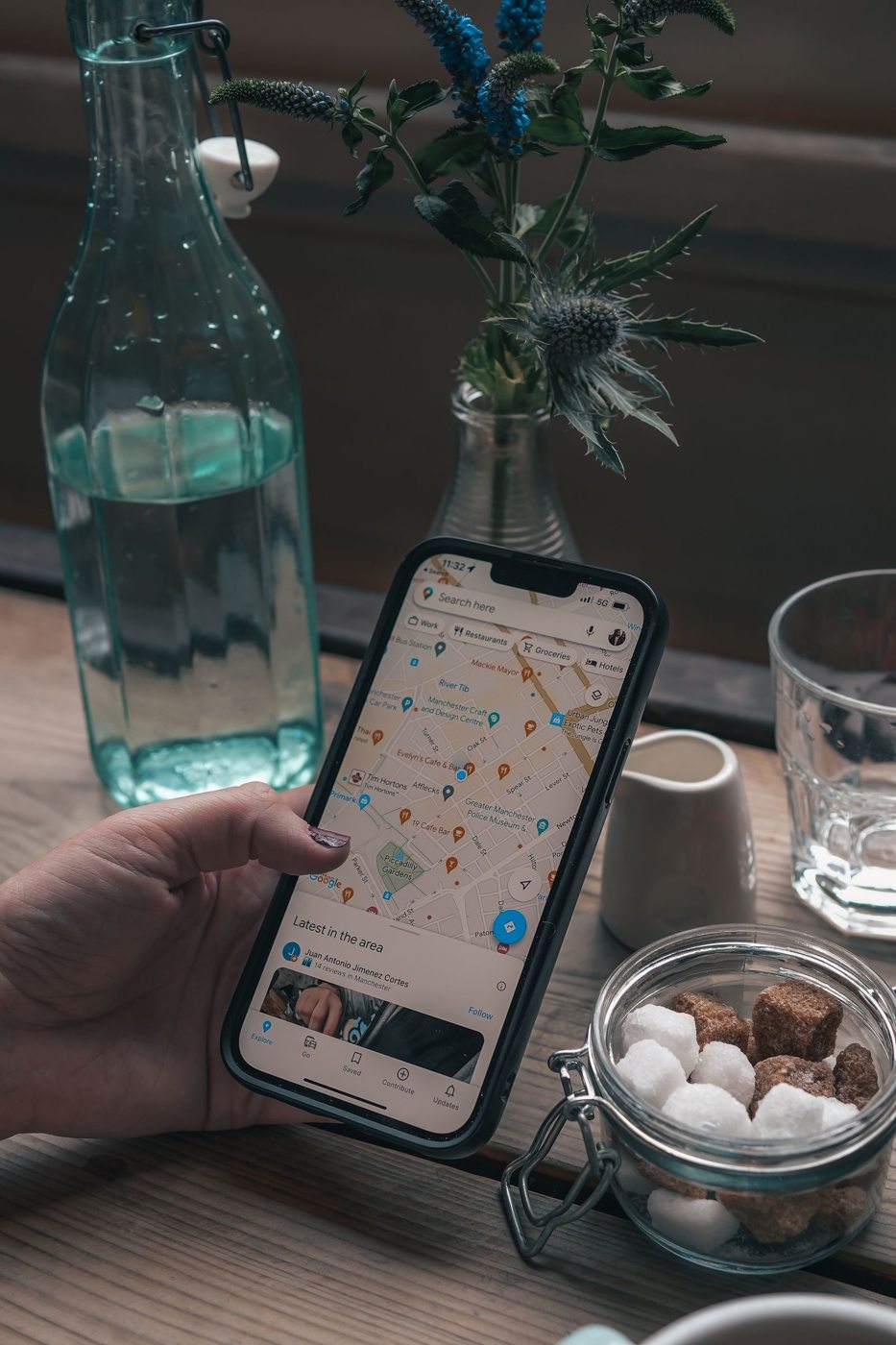
Save the context, not only a pin
A pin on a map does not explain which door to use. Before leaving, gather the full address, property name and access instructions. If accommodation uses a separate reception or key collection elsewhere, note both places and clearly identify which one you must reach first.
For an unfamiliar destination, save a broad view of the neighbourhood and a closer view of the final junctions. Add the route from your expected stop or parking area. An overly enlarged screenshot may show the doorway while losing every landmark that explains which direction you are coming from.
Check what works offline
If you use downloaded maps, check that they cover the area you need and are actually available without a connection. Not every app feature remains operational offline. A short test before departure is more useful than discovering a limitation in the street with luggage and a low battery.
Keep essential references separately: a telephone number and a plain-text address remain useful without navigation. Do not put all your documents behind one link that requires account access. Carry an essential backup in a form that suits the way you travel.
Recognise information that changes
Timetables, platforms and temporary closures still need current checks. Offline copies provide a reference, not a guarantee that a route remains open. If a sign differs from your saved directions, stop somewhere safe and follow local instructions before continuing rather than forcing the original route.
Share essential references with your travelling companion. Two people who know the meeting point can find one another more easily when one device runs out of power.
Save the address, contact and final approach in forms you can consult without a connection.