Leave a buffer for the journey home too
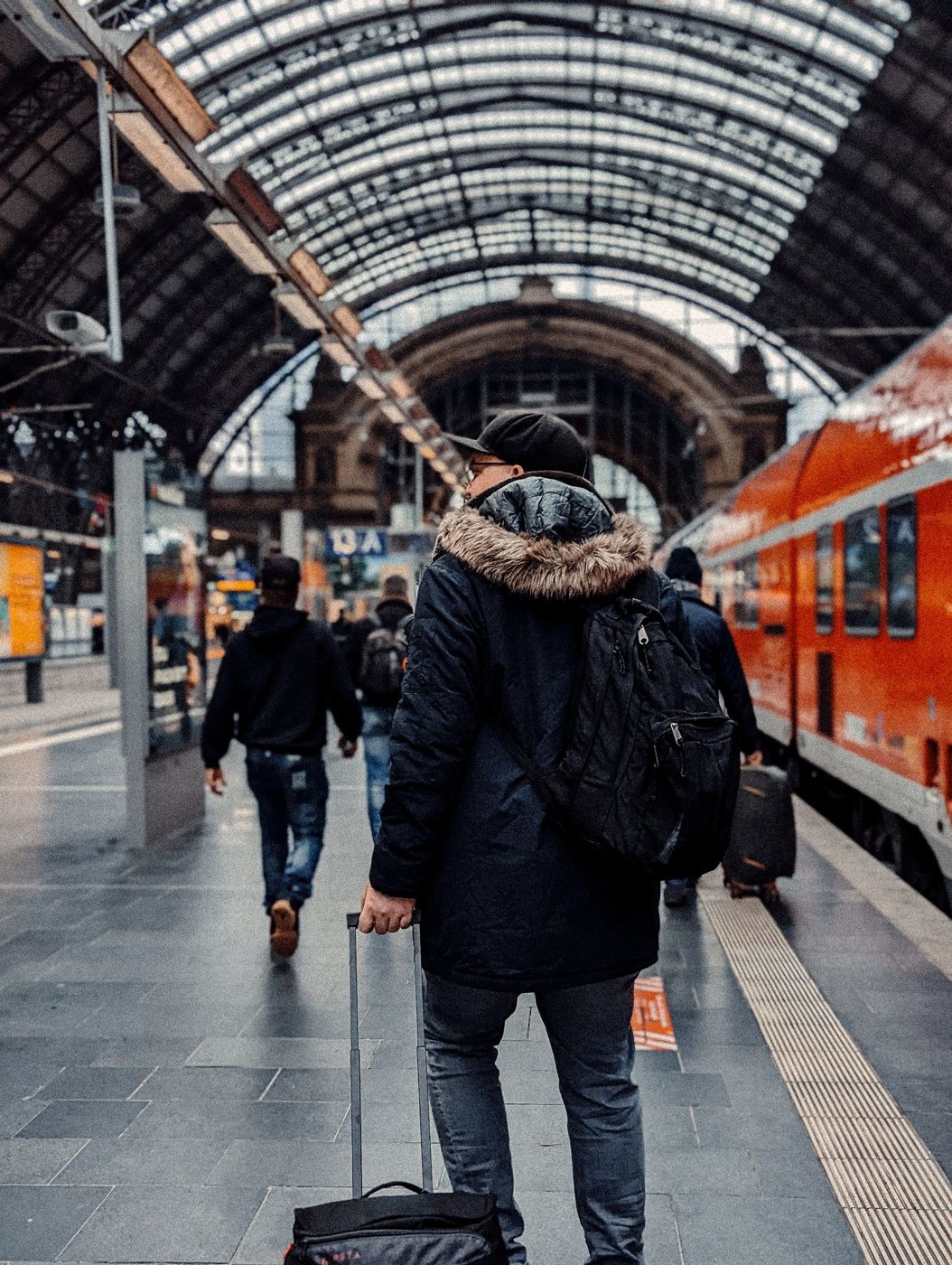
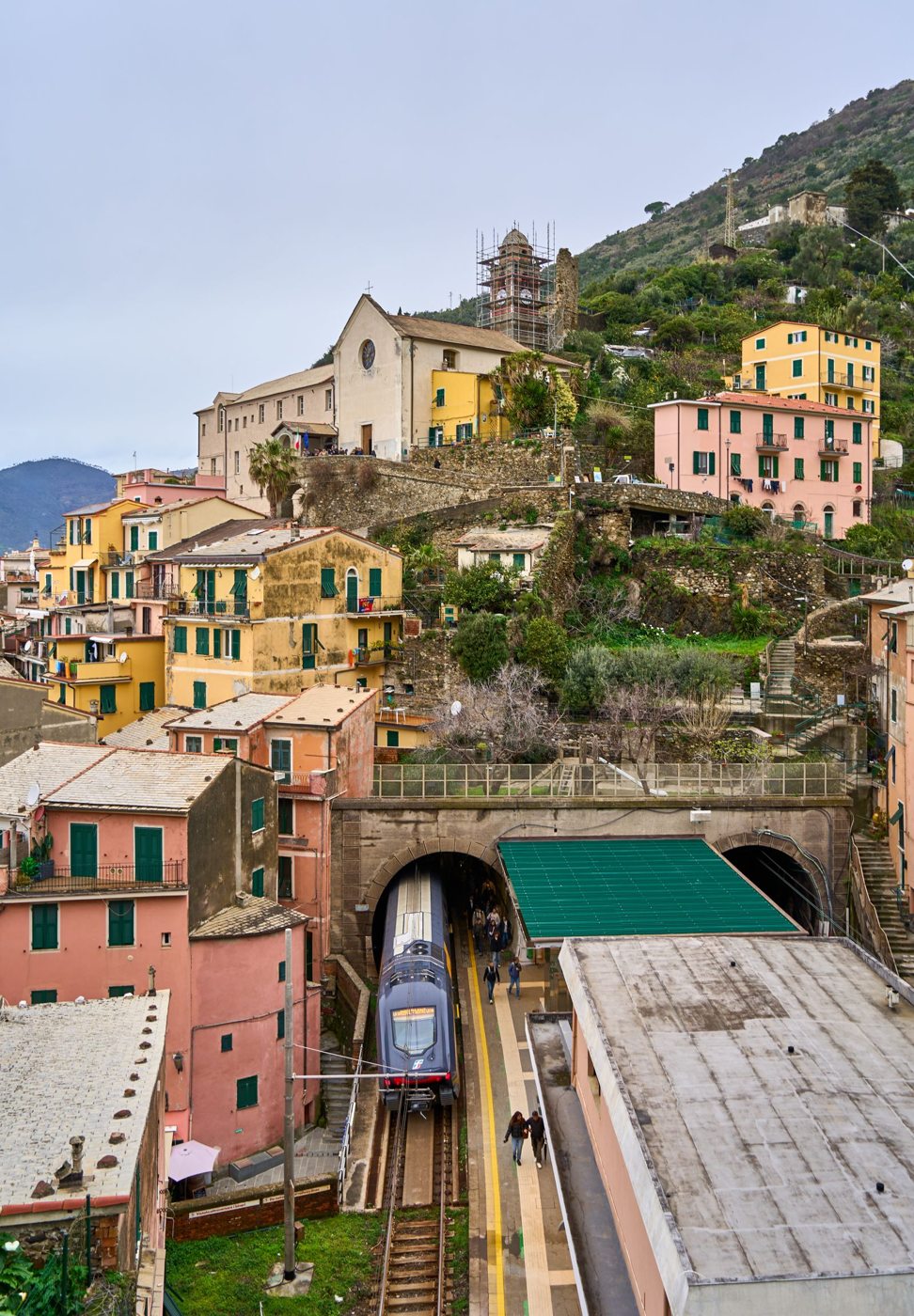
The trip does not end with the final photograph: allow for connections, bags and arriving home.

The final activity needs a clear ending
Choose something with a straightforward finish for departure day. A walk near your accommodation or a short visit fits more easily than a distant stop with transfers that are hard to change. Review the journey home before adding one final detour, even when it looks close on a map.
If your luggage is in storage, treat collection as a real stop. It includes reaching the place, completing the procedure and leaving for the station. Do not take that time out of your connection buffer: these are two separate needs within the same day.
Plan all the way to your front door
The train’s arrival time is not the end of the journey. Add the trip from the station, any wait for a connection and collection of your car where relevant. If returning late, check available alternatives beforehand rather than assuming they operate exactly as they do during the day.
Try not to place a fixed commitment immediately after the scheduled arrival. A small margin makes delays easier to absorb and leaves time to arrange what you need that evening. You do not need to clear an entire day; distinguish travel time from when you will actually be available.
Keep the final steps simple
Keep keys, documents and directions for the last transfer accessible. If luggage contains damp clothing, remember to open that bag as soon as you arrive. Other unpacking can wait for a more convenient pause without turning your front door into the starting point for another rush.
Before filing away bookings, retain references that are still useful and check the belongings used during the journey. An orderly finish makes it easier to find what you will need the following day.
Calculate the return all the way home, including luggage collection and the final transfer.