A travel notebook you will actually use
A few concrete notes, without turning every pause into a report.
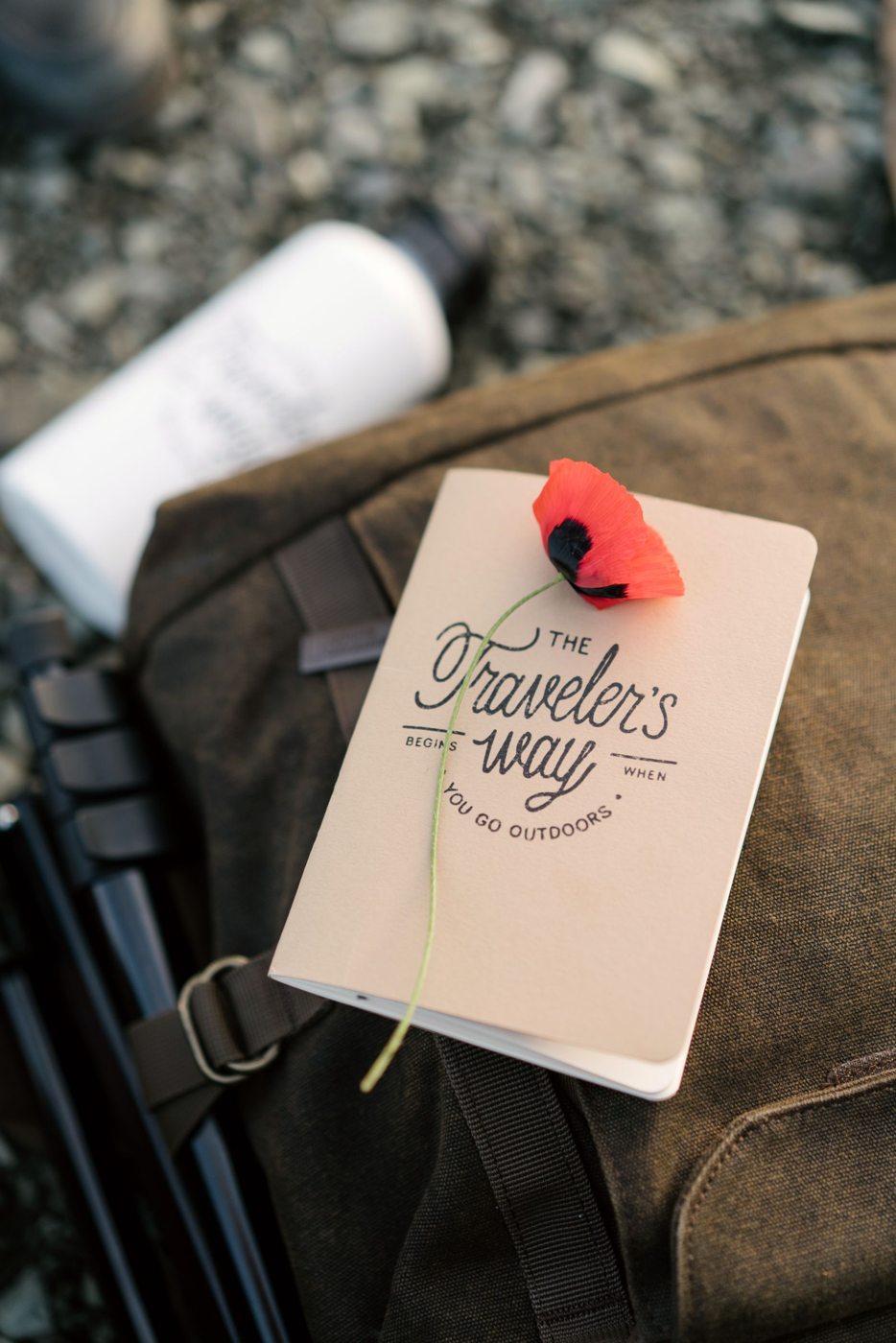
Put practical details at the front
Reserve the first page for information you need repeatedly: the accommodation address, booking reference and next departure time. Write clearly and leave room for changes. A notebook is useful precisely because it avoids searching through a mixture of photographs, messages and different screens while you are standing outside.
Avoid copying payment details, passwords or complete identity documents into it. A notebook can be lost or left on a table. For reservations, note only the useful reference and provider contact, keeping personal details in the channels where you normally manage them.
Record what you would want to find again
During the day, choose one specific detail instead of listing everything. It could be the name of a quiet square, a path to investigate tomorrow or a combination of colours seen along the road. A detail makes a memory recognisable without requiring an entire page of description.
Separate impressions from information. “I would happily come back here” is personal; an opening time or price needs a date and source if you want to use it later. A small symbol or two columns prevents a feeling from becoming an apparently established fact.
Read it before returning home
At the end of the stay, spend a few minutes with the pages. Highlight one thing that worked and one choice to change next time. This is not a holiday scorecard. It is a way to remember practical preferences, such as arriving before evening or staying closer to a station.
Leave a few pages blank: you may prefer to keep a ticket or sketch a window. Let the format follow your curiosity instead of becoming a daily assignment.
Use the notebook to recover details and preferences, not to document every minute.